 (Image source: Gemini)
 Remember when every celebrity you followed was launching their own exclusive streaming app? It felt like a digital gold rush from 2020 to 2022. From A-list actors to political firebrands, everyone wanted a piece of your monthly budget. They promised behind-the-scenes access, unfiltered opinions, and content you couldn't find anywhere else. But here we are in 2026, and the honeymoon is over. You've probably noticed it in your own bank statements or your social media feeds. That $9.99 here and $14.99 there adds up, and consumers are finally hitting a breaking point. The shift from "exclusive access" to "subscriber fatigue" has been brutal. We're seeing a massive correction in the market where high-profile branding is no longer a substitute for consistent, high-quality content. If the stuff you're watching feels like a vanity project, you're going to cancel. It's that simple.
When Personal Brands Clash with Consumer Expectations
There's a massive disconnect happening between how influencers see themselves and what you actually want from a streaming service. You subscribe to a platform because you want to be entertained or informed, not because you want to fund a celebrity's lifestyle. When that line gets blurred, the backlash is almost immediate.
Take the Archewell deal with Netflix as a prime example. Prince Harry and Meghan Markle were supposed to be the ultimate content creators for the platform. But by early 2026, the results are in, and they aren't great. Their "Polo" documentary in late 2024 failed to even hit 500,000 viewers. Meghan’s show, With Love, Meghan, wasn't even renewed for a third season.
Why did this happen? It's the authenticity trap. When content feels too polished, too distant, or like it's lacking a unique purpose, audiences check out. It doesn't matter how famous you are if the storytelling isn't compelling. In the world of streaming, you're only as good as your last upload.
We've also seen how tone-deaf marketing can lead to a mass exodus. When a platform feels like it's talking down to its audience or ignoring what they actually care about, the "unsubscribe" button is only a click away. It's the digital equivalent of a restaurant that has a famous owner but serves mediocre food. You might go once for the novelty, but you won't become a regular.
Content Quality Outweighs Star Power
Let's talk about the reality of your wallet. By late 2025, over half of U.S. consumers said subscriptions had become too expensive. This has led to a phenomenon called "serial churn." Have you ever signed up for a service just to watch one specific documentary or a single season of a show, only to cancel the minute the credits rolled? You're not alone.
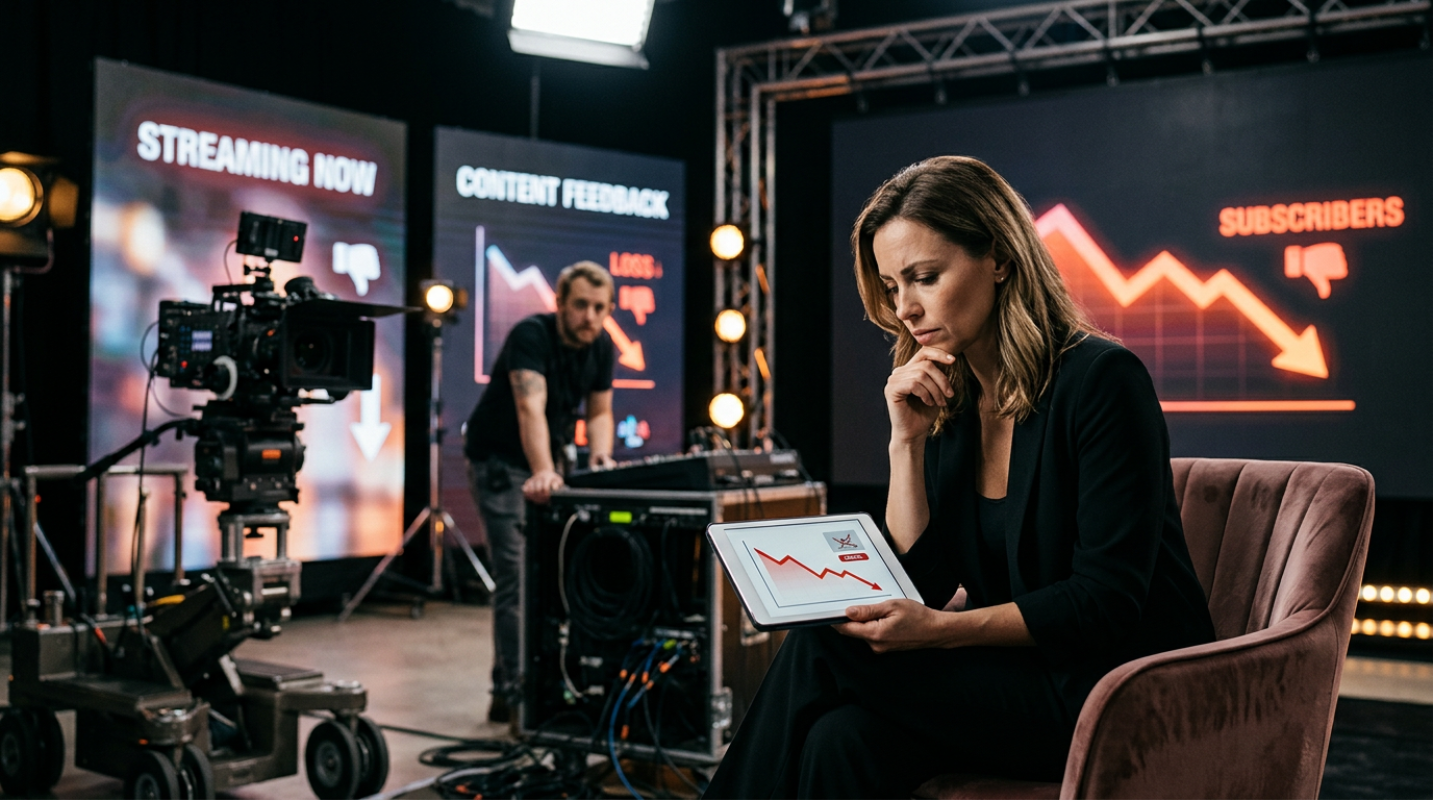
Media analysts report that 42% of subscribers are now serial churners. This is a nightmare for celebrity-led ventures that rely on a loyal, long-term fan base. These niche platforms have high production costs but struggle to keep people around once the initial hype dies down.
Compare this to the legacy streaming giants. They have deep libraries and a constant stream of new projects. A celebrity-led platform usually has one or two "tentpole" names. If those names stop producing or if their new stuff isn't great, there's no reason for you to keep paying.
The numbers for independent ventures are telling. Tucker Carlson's network saw engagement on X drop by a staggering 86% within just a year of launching. Although his YouTube channel has a decent following, the actual revenue is a fraction of what he was making in his previous roles. It turns out that being your own boss also means being your own marketing department, HR, and distribution network. That's a lot of weight for one person to carry.
Social Media Backlash Impacts Subscriber Metrics
Social media has become a double-edged sword for these platforms. It can build a brand overnight, but it can also tear it down just as fast. We're seeing a rise in what people call "digital guillotines" or organized boycotts that target a celebrity's entire digital footprint.
The "Block Out 2024" movement was a major turning point. It started on TikTok as a way to protest celebrities who seemed out of touch with global conflicts. Taylor Swift, one of the biggest names on the planet, reportedly lost over 200,000 followers in a single week in May 2024. When your business model is built on "exclusive access" to your life, losing that connection with your fans is a disaster.
We saw a similar rift with DailyWire+. The platform faced a massive internal crisis when Candace Owens departed in early 2024. The tension over geopolitical issues caused a split in their subscriber base. Many "free speech" advocates felt the platform wasn't living up to its promises and canceled their memberships in protest.
Then there's the "Elon Musk effect." In late 2025, a "Cancel Netflix" campaign started trending after a creator on the platform made controversial comments about conservatives. When Musk amplified the backlash by agreeing with a cancellation post, tens of thousands of people publicly posted screenshots of their canceled accounts. This kind of viral negativity creates a domino effect that's almost impossible to stop.
The Shift Toward Community-Based Media
So, where does this leave the future of creator-led media? The era of building a massive, expensive, standalone streaming infrastructure just because you're famous is likely over. It's too expensive, too risky, and the audience is too fickle.
Instead, we're seeing a pivot toward community-based models. Instead of trying to be the next Netflix, smart creators are moving back to platforms where they can engage directly with their fans without the massive overhead.
What can other creators learn from these recent failures? First, celebrity status is a door-opener, not a long-term approach. You still have to provide value every single month. Second, you can't ignore the feedback loop. If your audience feels like you're out of touch, they won't just stop watching. They'll actively work against your brand.
When a platform starts adding ads, raising prices, and cutting content to chase profit, the user experience falls apart. Celebrity-led ventures are particularly vulnerable to this because their "unique selling point" is often just their personality. If that personality becomes associated with corporate greed or controversial stances, the platform loses its soul. Looking ahead, the winners won't be the ones with the biggest names. They'll be the ones who understand that you, the subscriber, are looking for a community you can trust and content that actually respects your time and money.