 (Image via
Have you ever put on a record and realized forty minutes vanished before you even looked at your phone? In an era where short video clips and algorithm-driven playlists dominate our daily routines, you might expect the traditional album format to fade away. Yet the exact opposite is happening. Listeners are returning to full-length projects with fresh enthusiasm, searching for immersive sonic worlds that offer more than just a catchy fifteen-second hook.
Recent years have delivered an explosive wave of creative releases that rewrite what an album can sound like. From the club-fueled intensity of electronic pop to gritty West Coast rap and sweeping orchestral projects, artists are rejecting predictable formulas. When you listen to a complete album today, you are stepping into a carefully designed universe where track transitions, ambient room sounds, and vocal textures all tell a story.
Understanding these soundscapes gives you a much richer connection to the art you love. Instead of letting background algorithms decide your mood, you can start appreciating the deliberate choices that make a project unforgettable.
The Art of Genre Blending and Breaking Boundaries
Musical borders are practically extinct. Top musicians no longer pick a single lane and stay there for an entire career. Instead, they treat distinct styles like colors on an open palette, mixing vintage Americana, aggressive dance beats, and experimental soul into seamless projects.
Take Charli xcx and her project BRAT, which dominated global culture by clashing gritty electroclash baselines with brutally honest lyrics about self-doubt and grief. Or look at Kendrick Lamar with GNX, stripping away theatrical layers to combine minimalist West Coast bounce with urgent, unfiltered storytelling.¹ Meanwhile, Beyoncé broke open the roots catalog on COWBOY CARTER, weaving Piedmont blues, Cajun fiddle, and booming 808 kick drums into a sweeping reclamation of Southern musical heritage.
Why are listeners drawn to this kind of rule-breaking?
Predictability gets boring quickly. When an artist takes two sounds that seem like they belong in different worlds and fuses them, your brain pays attention. Global innovators like Bad Bunny and Rosalía have proven that stadium-filling superstars can release bold, challenging music. Bad Bunny layered lo-fi cassette warmth and Puerto Rican acoustic guitar phrases across trap rhythms, while Rosalía paired London Symphony Orchestra arrangements with industrial club percussion. These records challenge your expectations and prove that great music does not fit neatly into a single box.
The Artist's Perspective on Creating a Cohesive Vision
Making a memorable album requires far more than gathering twelve random tracks and uploading them to a streaming platform. It demands an overarching concept, thoughtful pacing, and a focus on sonic continuity.
Think of an album like a feature film. A single track can be an exciting scene, but the full sequence provides the emotional payoff. Tyler, The Creator showd this level of vision on CHROMAKOPIA, framing candid reflections on aging and impending fatherhood with marching band percussion, distorted synth-funk, and soaring choir arrangements. Similarly, synth-pop duo Magdalena Bay built Imaginal Disk as a gapless, retro-futuristic suite where disco strings glide into psychedelic rock breakdowns without a single break in momentum.²
Producers and musicians are also pushing back against digital perfection. Because computer software can easily iron out every mistake, sterile and over-polished tracks have flooded the market. In response, artists are actively embracing tactile imperfections
• Analog tape saturation: Running audio through vintage reel-to-reel tape adds subtle hiss and natural warmth that digital plugins struggle to replicate.
• Room bleed and fret noise: Keeping the sound of fingers sliding across acoustic strings or background room chatter gives a record an authentic, live feel.
• Unquantized drumming: Letting rhythm tracks swing naturally instead of snapping every beat to a rigid digital grid creates a human, spontaneous groove.
Artists like Dijon and Waxahatchee build entire albums around live-room tracking and unpolished vocal takes. These subtle choices remind you that real humans with genuine emotions are playing those instruments.
The Science of Emotional Resonance
Why does a particular chord change or whisper-quiet vocal take give you chills? Music affects our nervous systems in physical ways, and modern producers use sound design to trigger deep psychological responses.³
Great albums balance intense, dynamic energy with quiet vulnerability. When Charli xcx pairs anxious lyrics with distorted club synths, she turns private panic into a communal, cathartic release. When an artist strips away reverb and compression, the vocal track feels like a friend speaking right into your ear canal.
Producers deliberately use specific sonic devices to create distinct emotional reactions
• Intimacy and Proximity: Ultra-dry vocal tracking without artificial reverb creates a feeling of physical closeness, making confessions feel direct and private.
• Cathartic Friction: Hard distortion layered over vulnerable lyrics converts tension into high-energy relief.
• Nostalgic Impermanence: Subtle pitch wobbles and simulated vinyl crackle tap into feelings of memory, longing, and the passage of time.
• Claustrophobic Tension: Sudden cutoffs in bass and sharp silences build suspense, keeping you locked into the narrative.
• Expansive Transcendence: Layering orchestral strings against ambient synthesizer pads produces an uplifting feeling of open space and awe.
When these techniques align with honest songwriting, an album stops being mere background audio. It becomes an emotional anchor that stays with you for years.
Curating Your Own Sonic Journey
Your listening habits shape how you experience music. If you only listen to automated daily mixes, you miss out on the rich, full-length journeys that artists spend years building.
Stepping outside your algorithmic comfort zone is easy once you change your routine
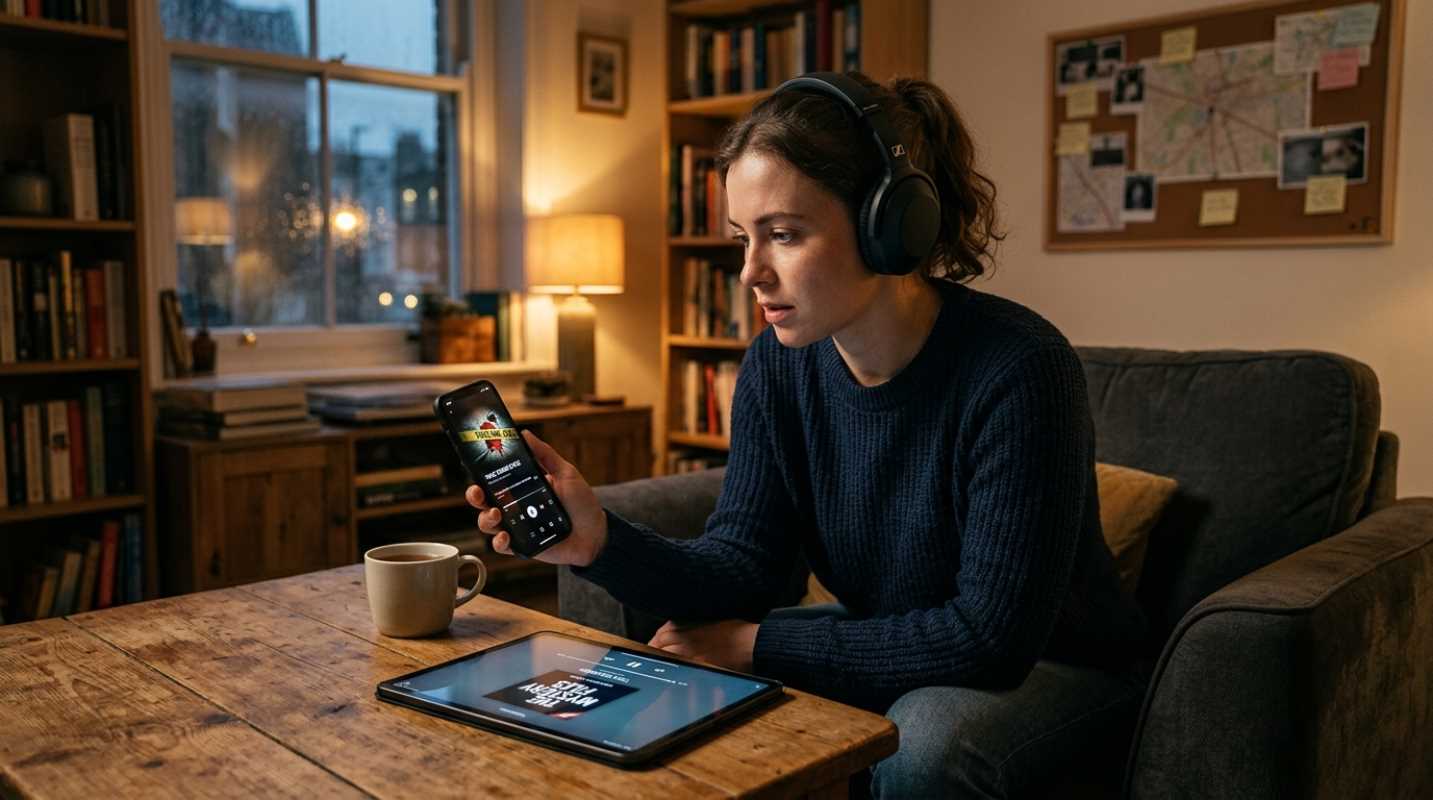
1. Pick an album and listen from start to finish: Put away distractions, turn off shuffle mode, and let the tracklist unfold in the order the artist intended.
2. Invest in decent headphones: You do not need studio-grade gear, but a solid pair of over-ear headphones lets you hear subtle basslines, room acoustics, and panning effects.
3. Explore outside your favorite genres: If you normally stick to hip-hop, try an experimental synth suite or a raw folk-rock record. You will often find the same raw energy expressed in entirely new ways.
The album format is alive and growing because it offers something quick singles cannot: a complete, immersive artistic experience. Next time you open your favorite streaming app, skip the generic playlists. Pick a bold, acclaimed record, press play on track one, and discover where the sound takes you.
Sources:
1. Best Music of 2025
https://www.metacritic.com/news/best-music-of-2025/
2. The 50 Best Albums of 2025
https://stereogum.com/2480469/the-50-best-albums-of-2025/lists/year-in-review/2025-in-review
3. Top Music Production Trends in 2025
https://theghostproduction.com/top-music-production-trends-in-2025/