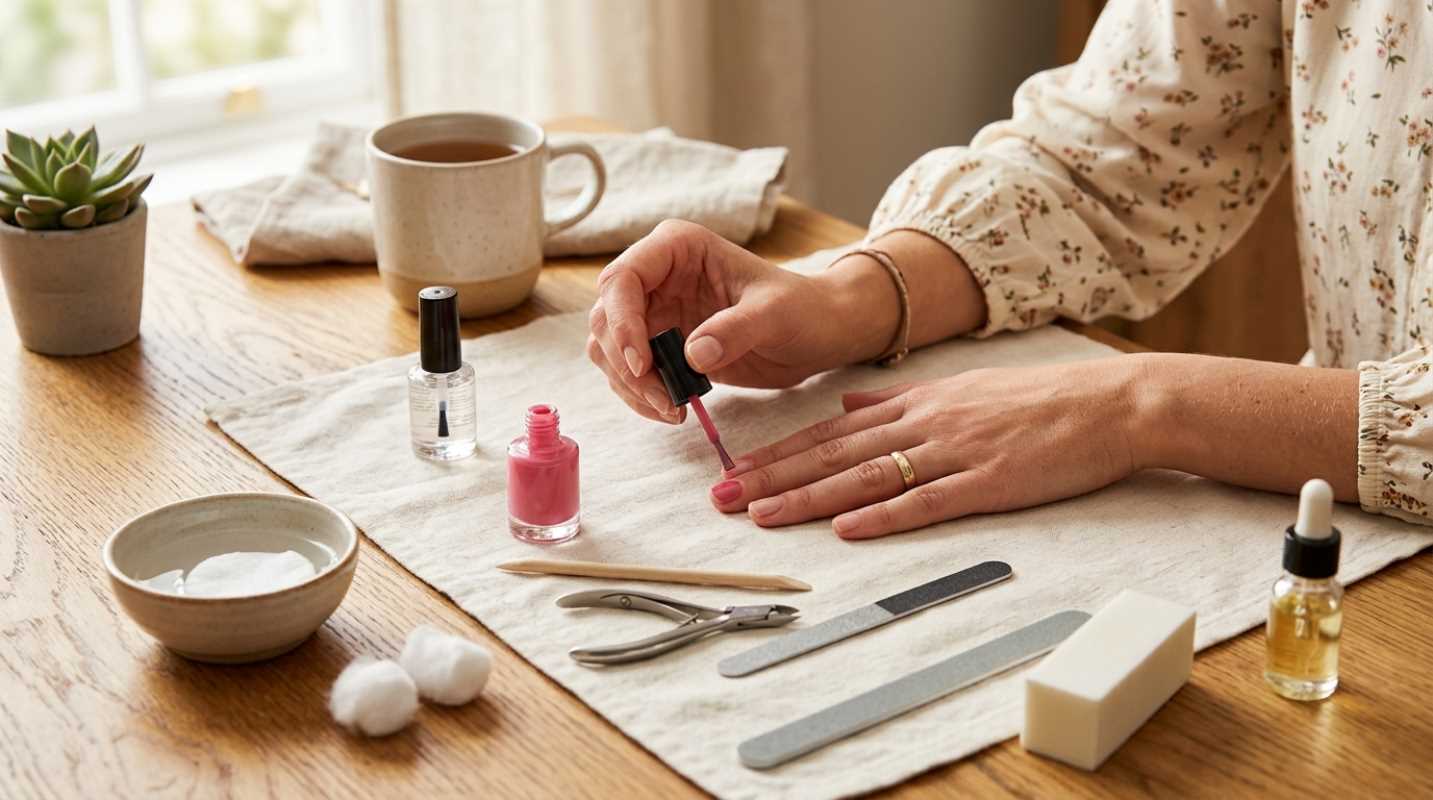
 (Image via
If you wear makeup daily, your skin spends ten to twelve hours soaking in whatever foundation, blush, or powder you apply. For decades, traditional cosmetics relied on petroleum derivatives, heavy silicones, and synthetic dyes to deliver pigment and staying power. But your skin is a living organ, not an inert canvas.
Over the past few years, the way we think about beauty has changed completely. The clean beauty market has surged past $10 billion, with clean makeup accounting for over a quarter of the entire sector.¹ People everywhere are trading heavy, cakey formulas for clean alternatives that let their skin breathe.
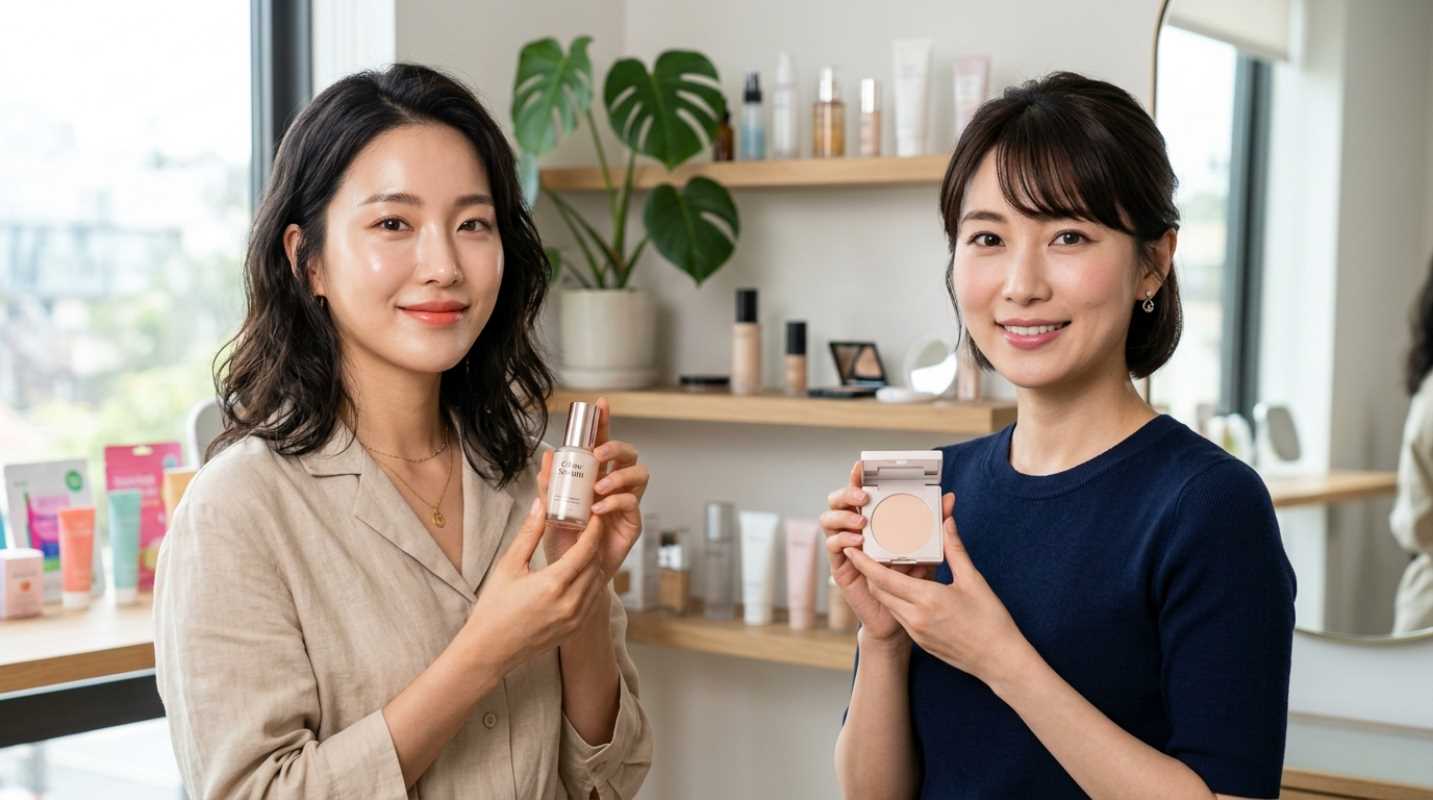
Organic makeup is cosmetics formulated with certified organic, plant-derived ingredients grown without synthetic pesticides, genetically modified organisms, or harsh chemical fertilizers. Instead of relying on laboratory fillers, these products use botanical oils, fruit extracts, and pure earth minerals.
The Power of Purity and Clean Ingredients
Look at the back of a standard drugstore or luxury foundation bottle. Chances are, you'll see a tiny print wall of tongue-twisting chemicals. Parabens, phthalates, synthetic fragrances, and artificial dyes like Red 40 or Yellow 5 are common in traditional makeup.
Synthetic fragrances are among the biggest culprits behind unexplained skin sensitivity. Manufacturers can legally hide hundreds of proprietary chemicals under the single word "fragrance." When you switch to organic makeup, you cut out those hidden irritants.
Organic formulas focus on plant-based botanicals that your skin knows how to process
• Plant-derived squalane: matches your natural skin oils to hydrate deeply without clogging pores.
• Jojoba and rosehip seed oils: deliver needed fatty acids and natural vitamin A to nourish your barrier throughout the day.
• Mineral pigments: zinc oxide and titanium dioxide offer rich color coverage while sitting gently on top of the skin.
• Green tea extract: provides a steady dose of topical antioxidants to fight off daily urban pollution.
For formulation, less is truly more. Short ingredient lists made from recognizable plants give your skin fewer reasons to react and more reasons to glow.
Investing in Your Complexion and Skin Health
Think of organic makeup as a natural extension of your morning skincare routine. Traditional foundations can form a plastic-like film over your skin, trapping sweat, sebum, and dead cells. That suffocating layer is a recipe for dullness, blackheads, and stubborn breakouts.
Organic complexion products work with your skin barrier instead of fighting it. Cold-pressed plant oils mimic your natural lipid matrix, locking in moisture and preventing trans-epidermal water loss. If you struggle with rosacea, eczema, or active acne, non-comedogenic mineral formulas with zinc oxide naturally calm redness and soothe irritation.²
You are also reducing your daily synthetic chemical load. Phthalates and certain synthetic preservatives can act as endocrine disruptors when absorbed repeatedly over the years. Choosing clean cosmetics helps protect your long-term wellness while taking care of your skin right now.
The Aesthetic Advantage of a Fresh Natural Glow
Let's address the big question: Does organic makeup actually look good?
Years ago, natural makeup had a reputation for being chalky, oily, or fading by lunchtime. Those days are long gone. Green chemistry and modern extraction methods have completely changed what plant-based formulas can do.
Organic makeup creates a fresh, dewy finish that mimics bare skin at its absolute best. Synthetic silicones create an artificial slip that can settle into fine lines or look mask-like under natural sunlight. Organic botanical waxes and oils melt directly into your skin with body heat. The result is a seamless finish with no heavy edges or obvious texture.
If you love the "no-makeup makeup" look, organic products are your best tool. Tinted serums, multi-use cheek balms, and mineral skin tints blur imperfections while letting your natural freckles and skin tone shine through.
Beyond the Surface with Ethical Beauty
Your beauty routine affects more than just your complexion. The products you purchase also have an impact on agricultural practices, animal welfare, and packaging waste.
Conventional cosmetics often rely on petrochemicals derived from fossil fuels and pesticide-heavy crop farming. Certified organic beauty prioritizes regenerative farming, which keeps synthetic pesticides and chemical runoff out of our soil and waterways. Clean brands also prioritize cruelty-free testing and switch to recyclable glass, aluminum, or post-consumer plastics.
Because the word "natural" is not legally regulated on beauty shelves, look for trustworthy third-party seals.³ Certifications like USDA Organic, COSMOS, Ecocert, and EWG Verified give you peace of mind that a formula meets strict safety and environmental standards.
Making the Switch for a Lifetime of Radiance
You don't need to throw out your entire makeup bag overnight. Tossing dozens of half-full bottles into the trash is wasteful and can feel a lot of.
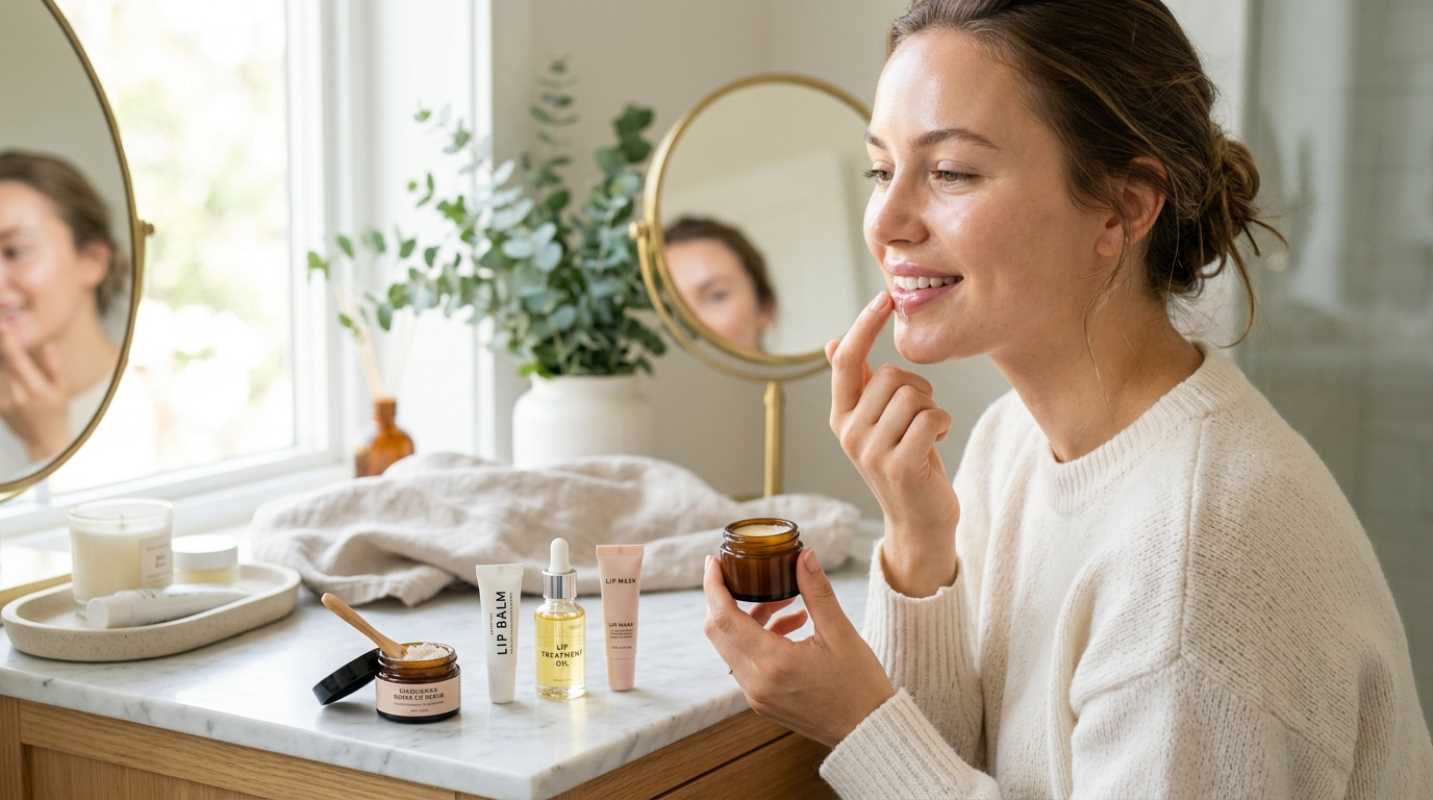
Start by replacing your most used complexion base. Since your foundation, tinted moisturizer, or concealer covers the largest surface area of your face for the longest amount of time, switching that first gives you the biggest health return. Next, swap out your daily lip products, since you inevitably end up ingesting a small amount of whatever is on your lips.
Take your time exploring different textures and clean brands to find what suits your routine. Embracing organic makeup gives you a chance to simplify your daily regimen, nourish your skin barrier, and enjoy an effortless radiance that comes straight from healthy, happy skin.
Sources:
1. Clean Beauty Market Size and Trends
https://www.360researchreports.com/market-reports/clean-beauty-market-202235
2. What You Should Know About Clean and Natural Cosmetics
https://www.health.harvard.edu/healthy-aging-and-longevity/what-you-should-know-about-clean-and-natural-cosmetics
3. Natural Skin Care: What to Know
https://health.clevelandclinic.org/natural-skin-care
*This article on Decorgeous is for informational and educational purposes only. Readers are encouraged to consult qualified professionals and verify details with official sources before making decisions. This content does not constitute professional advice.*