 (Image via
Have you ever walked into a room that just felt… right? It was cozy, inviting, and made you want to curl up and stay a while. Chances are, that room was a masterclass in texture layering. This powerful interior design technique goes beyond just color and furniture placement to create spaces that feel rich, complex, and visually warm. It’s the secret ingredient that turns a house into a home.
So, what exactly is texture? In design, texture refers to the surface quality of a material. It’s how something feels to the touch, or how it looks like it would feel. Think of the difference between a smooth, cool marble countertop and a chunky, soft wool blanket. Both are surfaces, but they evoke completely different feelings. Layering these different textures is how you build a warm and dynamic interior.
Why Texture Matters for Warmth
When a room feels cold or sterile, it’s often because it’s full of flat, uniform surfaces. Think glossy floors, smooth walls, and sleek metal furniture. While this can be a style in itself, it can lack the comfort we often crave in our living spaces. Introducing a variety of textures breaks up this monotony and adds visual interest.
Our brains are wired to associate certain textures with warmth and comfort. Soft, plush, and natural materials often remind us of cozy sweaters, warm fires, and nature itself. By strategically placing these textures throughout a room, you can trick the eye and create a feeling of warmth, even if the actual temperature hasn't changed. It’s about building a sensory experience that is both seen and felt.
Getting Started: The Foundation of Texture
Before you start throwing pillows everywhere, it’s important to think about the foundational textures in your room. These are the large surfaces that act as your canvas.
Walls and Floors
Your walls and floors are the biggest surfaces in any room, making them the perfect starting point for adding texture.
- Walls: Don't just settle for flat paint. Consider options like limewash or Roman clay, which have a subtle, chalky texture that adds depth and movement. Textured wallpaper, such as grasscloth or linen, can instantly introduce a natural, tactile element. Even something as simple as a matte paint finish can feel softer and warmer than a high-gloss one.
- Floors: The floor is your room's anchor. A plush, high-pile rug is one of the easiest ways to add instant warmth and comfort underfoot. Natural fiber rugs like jute or sisal offer a more rustic, earthy texture. If you have hard flooring like tile or concrete, layering a large area rug is essential for breaking up the cold, hard surface and defining a cozy zone.
Large Furniture Pieces
Your sofa, armchairs, and bed are major players in the texture game. They occupy significant visual space and are pieces you physically interact with every day.
- Upholstery: When choosing a sofa, think beyond the color. A boucle or velvet sofa will feel much warmer and more inviting than one upholstered in a slick, smooth leather. A linen-blend fabric offers a relaxed, casual texture that feels soft and breathable.
- Wood and Metal: Pay attention to the finish on your hard furniture, like coffee tables and shelving. A raw, rustic wood grain brings a natural, organic warmth. In contrast, a highly polished, lacquered finish feels more formal and cool. If you use metal, consider warmer tones like brass or bronze with a brushed finish instead of shiny, cool-toned chrome.
The Art of Layering: Building Depth
Once your foundational textures are in place, it’s time for the fun part: layering. This is where you can truly personalize your space and add those details that make a room feel complete. The key is to mix and match different materials to create contrast and interest.
Textiles: Your Secret Weapon
Textiles are the easiest and most effective way to layer texture. They are relatively inexpensive and can be swapped out with the seasons.
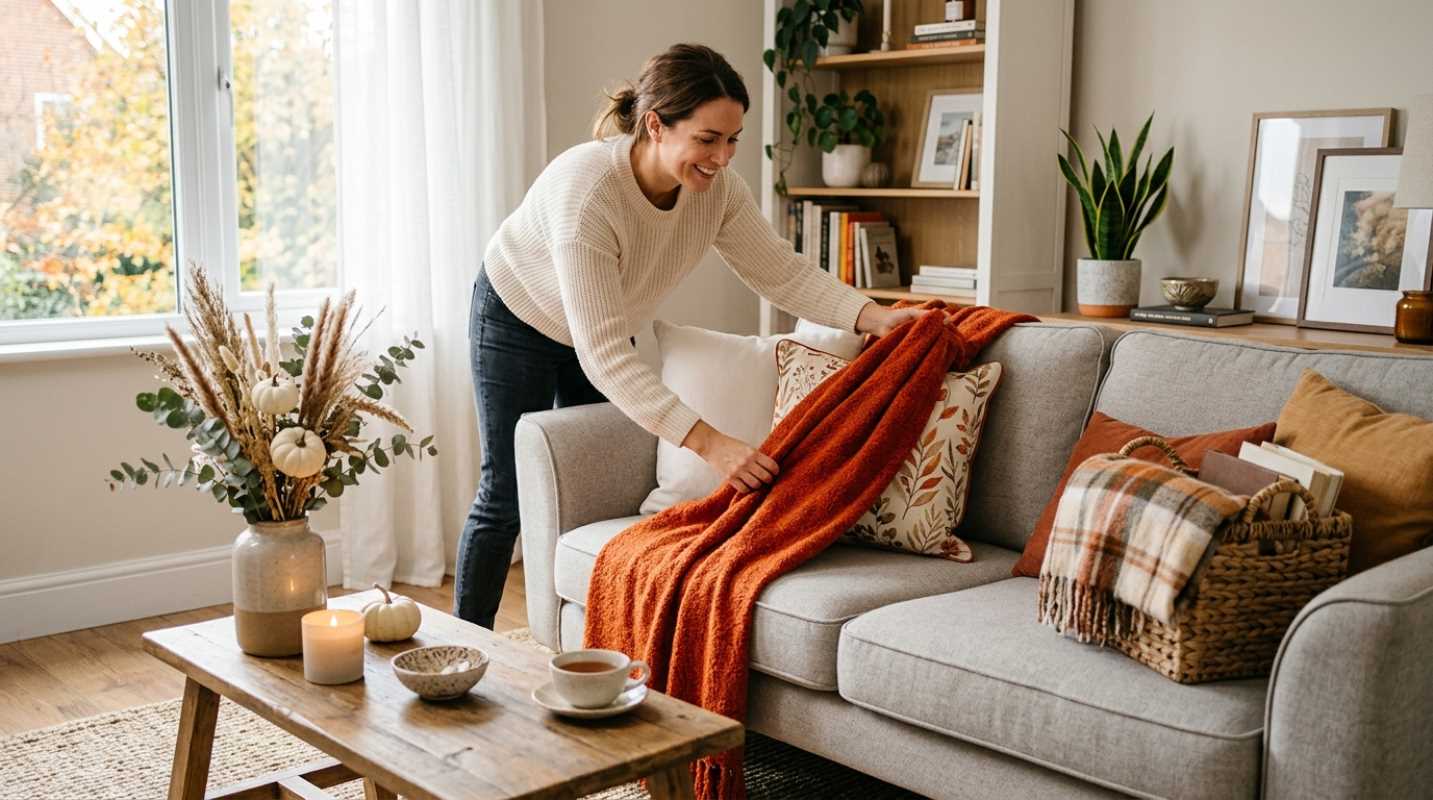
- Pillows and Throws: This is texture layering 101. On your sofa, combine pillows of different materials. Mix a chunky knit pillow with a smooth velvet one and a simple linen one. Drape a soft, fluffy throw blanket over the arm of a chair or the end of your bed. The goal is to create a combination that begs to be touched.
- Curtains: Window treatments can dramatically change the feel of a room. Heavy, floor-length drapes in a material like velvet or a thick linen blend can add a sense of luxury and coziness. They soften the hard lines of the window frame and help insulate the room, both visually and literally. Sheer curtains, on the other hand, can add a light, airy layer of texture while still allowing light to filter through.
- Bedding: Your bed is a prime opportunity for texture layering. Start with soft sheets, add a textured quilt or duvet, and then pile on decorative pillows and a chunky throw. Combining different weaves and materials will make your bed look like a cozy retreat you can’t wait to sink into.
Decorative Objects and Accessories
Don't stop at textiles. Small decorative items can pack a big textural punch.
- Baskets and Trays: Woven baskets are perfect for storage and add a wonderful natural texture. Use them to hold extra blankets, magazines, or even a potted plant. A wooden or travertine tray on your coffee table can corral smaller items while adding a hard, grounding texture to contrast with soft furnishings.
- Ceramics and Art: Look for pottery with interesting glazes—some matte, some with a slight crackle. A collection of ceramic vases of different shapes and sizes adds both texture and sculptural interest. When it comes to art, consider pieces with visible texture, like a canvas with thick paint application or a woven wall hanging.
Don't Forget the Greenery
Plants are a living texture. Their leaves offer a variety of shapes and surfaces, from the waxy leaves of a fiddle leaf fig to the delicate fronds of a fern. Grouping several plants together creates a lush, layered look that brings life and organic warmth into your space. The pots and planters they live in are another opportunity to add texture, whether it's a rough terracotta pot or a smooth ceramic one.
A Room-by-Room Guide to Texture
Let’s apply these principles to different rooms in your home.
The Living Room
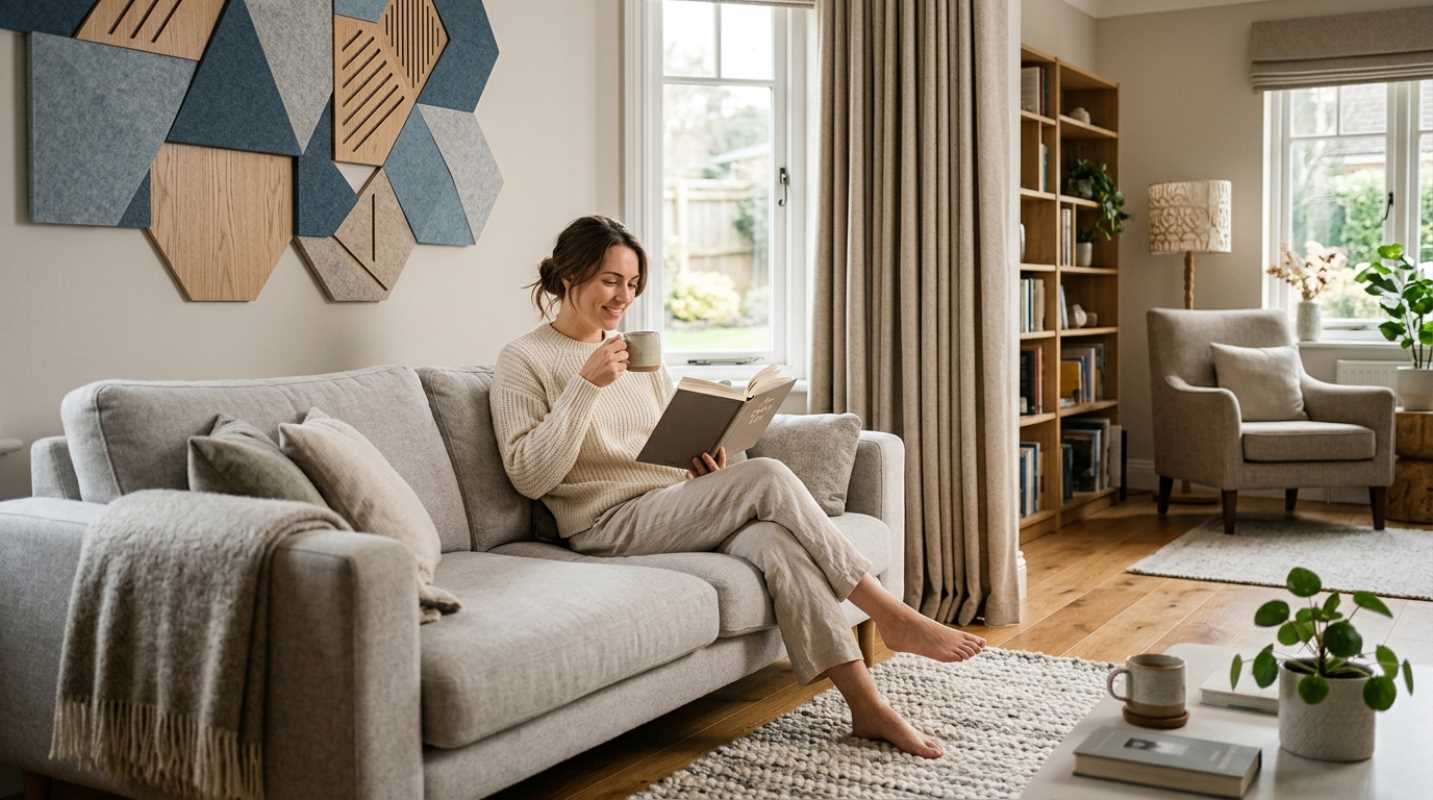
The living room is all about comfort and conversation. Start with a large, soft rug to anchor the seating area. Choose a sofa with textured upholstery and layer it with a mix of pillows in different fabrics like wool, velvet, and linen. A chunky knit throw over an armchair invites relaxation. Contrast these soft textures with a wood coffee table and a few ceramic accessories.
The Bedroom
The bedroom should be a serene and cozy sanctuary. Focus on the bed as your textural centerpiece. Use high-quality, soft bedding and layer on a textured duvet and plenty of pillows. A plush rug on either side of the bed makes for a warm landing in the morning. Consider a fabric headboard in a material like boucle or linen to add another layer of softness.
The Dining Room
Even a more formal space like a dining room can benefit from texture. Upholstered dining chairs can soften the look and make guests more comfortable. Use a linen tablecloth or a woven runner to add a layer to your dining table. A large piece of art or a textured wall hanging can prevent the room from feeling too stark.
Final Tips for Success
- Balance is Key: The goal is to create a rich, layered look, not a cluttered mess. Mix rough with smooth, hard with soft, and shiny with matte. Contrast is what makes each texture stand out.
- Stick to a Color Palette: Using too many textures and too many colors can feel overwhelming. By working within a cohesive color palette, your layered textures will feel intentional and harmonious.
- Think in Threes: When accessorizing, grouping items in odd numbers, particularly threes, often looks more natural and appealing to the eye. Try a group of three different vases or three pillows with contrasting textures.
By thoughtfully layering textures, you can transform any room from flat and uninspired to warm, inviting, and full of personality. It’s a design strategy that engages the senses and creates a space that truly feels like a haven.