 (Image via
Now think about the opposite experience. You walk through your front door after a long workday, look at the stacks of mail on the counter, the crowded bookshelves, and the random decorative items scattered across every table. Instead of feeling relaxed, you feel a subtle hum of fatigue.
That mental weight is real. Studies from the Princeton Neuroscience Institute revealed that visual clutter actively competes for neural representation in your visual cortex, draining your focus and decision-making capacity. Meanwhile, researchers at the UCLA Center on Everyday Lives and Families discovered a direct correlation between high object density in the home and elevated levels of the stress hormone cortisol.
Creating a minimalist home decor plan is not a punishment or an exercise in deprivation. It is a deliberate choice to surround yourself only with items that serve a clear function or bring you genuine happiness. Here is how you can transform your living space into a calm, curated retreat.
The Philosophy of Less and Redefining Your Space
Minimalism works best when you treat it as a lifestyle rather than just a weekend styling project. When you see your home as a sanctuary, your relationship with physical objects changes.
For years, home trends encouraged people to fill every nook, cranny, and blank wall with mass-produced accents. The result was houses packed with things nobody actually used or loved. In consumer surveys, more than half of adults admit they feel stressed by the mess in their homes, and one in five people avoid certain rooms altogether because the clutter feels out of control.
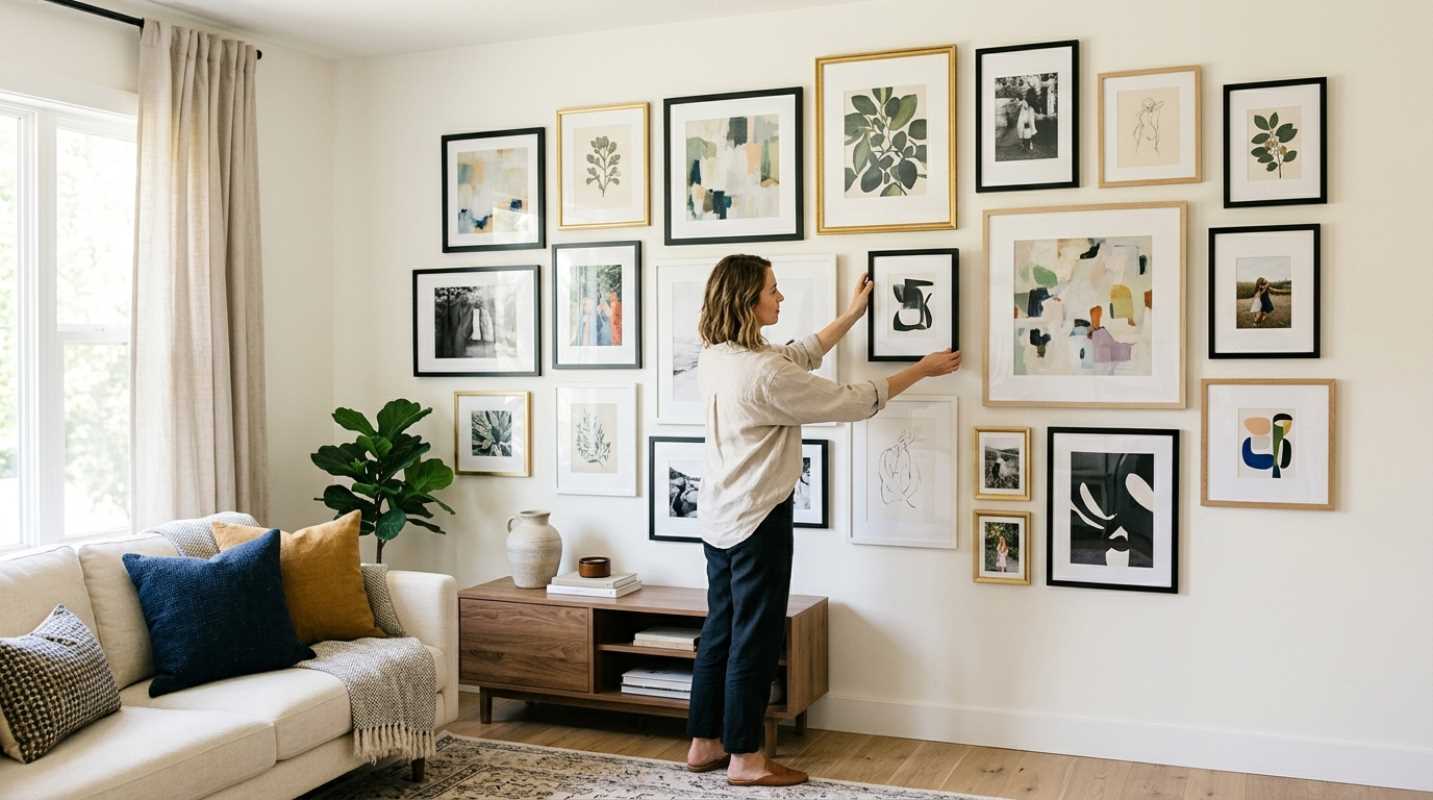
You can break that cycle by shifting from an accumulation mindset to a curation mindset. Think of yourself as the gallery curator of your own home. A museum curator does not hang every painting in the archives on a single wall. They choose a select few pieces, give them space to breathe, and let visitors appreciate them without distraction.
When you look at your rooms through that lens, you realize that an empty corner is not a problem that needs fixing. It is a visual pause that allows your mind to rest.
Mastering the Art of Decluttering Principles
Before you rearrange furniture or paint your walls, you have to edit your belongings. You cannot organize your way out of having too much stuff.
Try these practical rules to streamline your rooms
• The 80/20 Flat Surface Rule: Keep at least 80 percent of horizontal surfaces clear. That applies to kitchen counters, dining tables, sideboards, and coffee tables. Keep decor on any surface limited to a single, high-impact vignette like a textured ceramic bowl or a small stack of books.
• The 90/90 Test: Pick up an object and ask yourself two simple questions. Have you used or displayed this with purpose in the last 90 days? Will you use it in the next 90 days? If the answer to both is no, it is time to let it go.
• The Cost of Keeping: Remember that every possession carries a hidden fee. You pay for it in square footage, time spent dusting, and mental energy. If an item does not provide real utility or emotional value, its cost outweighs its worth.
• The Stranger Lens Audit: Pull out your smartphone and take wide-angle photos of each room from standing height. Looking at a two-dimensional photo tricks your brain into seeing the room as a stranger would, instantly highlighting tangled cords, cluttered table edges, and awkward wall groupings you usually overlook.
• The One-In, One-Out Balance: Make a deal with yourself. Whenever you buy a new vase, throw blanket, or lamp, pick an existing piece to sell, donate, or recycle. This keeps your home at a steady, manageable equilibrium.
Prioritizing Intentional Design Choices
Once you clear out the excess, the pieces you keep take center stage. This is where intentional design comes in.
Look for furniture that balances form and function. Pieces with built-in, hidden storage are worth every penny. Think storage ottomans, low-profile media credenzas with seamless push-to-open doors, and beds with discreet under-frame drawers. When everyday needs live behind closed doors, your main living areas stay calm and orderly.
Instead of buying three small accent chairs and two little side tables, choose one bold, sculptural piece.¹ A curved sofa or a monolithic, low-profile coffee table anchors the room and makes the entire space feel expansive.
Timeless materials like untreated oak, honed limestone, matte travertine, and sturdy linen will outlast fleeting micro-trends. These organic elements develop character as they age, meaning you will not feel the urge to replace your furniture every two years.
Building a Calming Aesthetic Through Palette and Texture
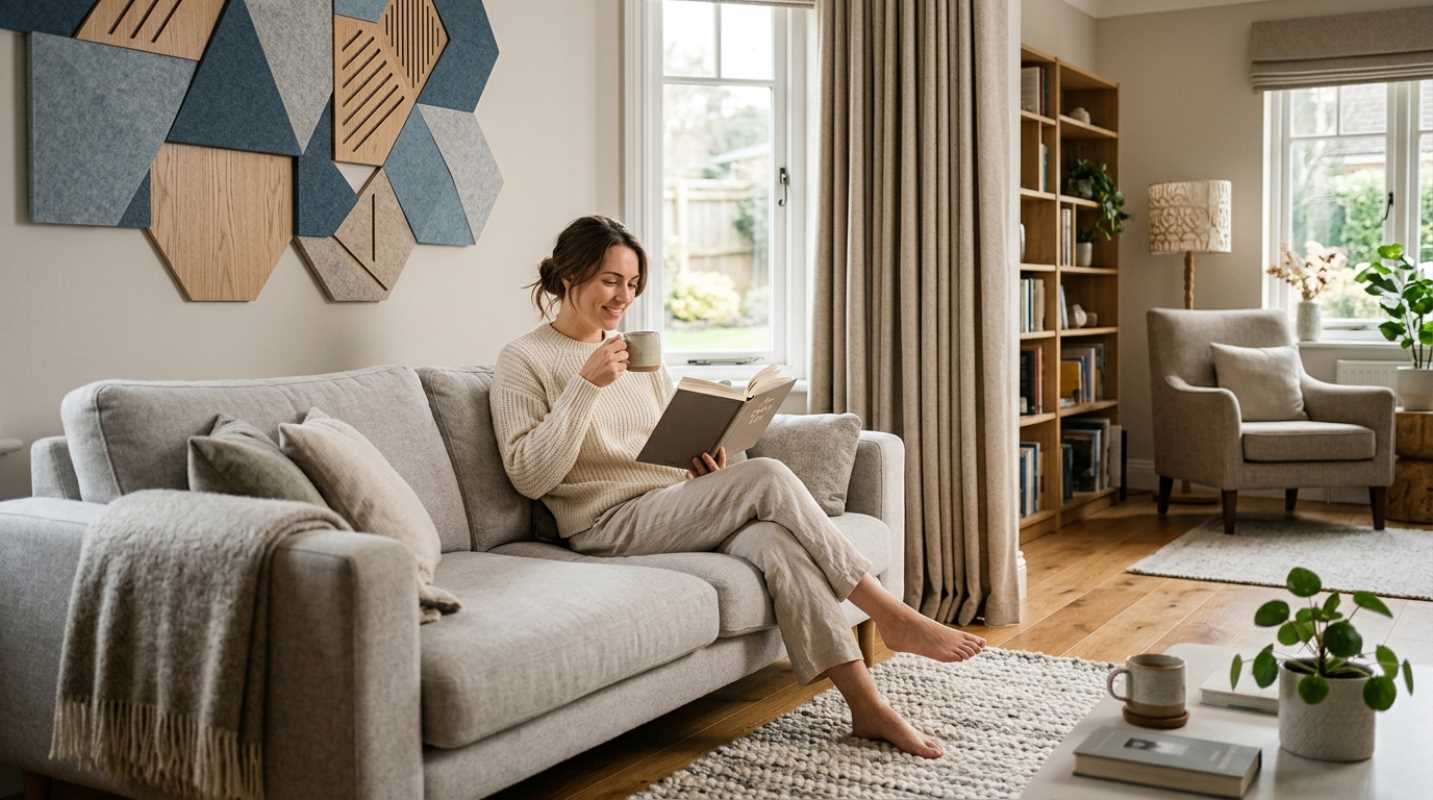
Minimalism has evolved far beyond the cold, sterile, hospital-white interiors of the 2010s. Today, warm minimalism dominates contemporary spaces.²
Start with a warm, grounded color palette. Replace stark, blue-toned whites and chilly greys with softer base tones
• Pale sand and biscuit
• Creamy oatmeal
• Light travertine
• Muted clay and terracotta
• Soft olive and warm ochre
When you strip away busy patterns, texture provides visual interest.³ Layer different tactile finishes throughout the room to keep it feeling inviting. Combine a ribbed bouclé armchair with a smooth travertine side table, a slubby linen sofa cover, and a raw wool rug underfoot.
Pay close attention to your lighting as well. Harsh, cool-toned overhead lights can ruin an otherwise serene room. Instead, turn off the overhead bulbs in the evening and turn on low-level ambient lamps with warm 2700K bulbs. A well-placed floor lamp or a dimmable ceramic table lamp creates cozy pools of light that add warmth without adding physical clutter.
Keep your window treatments simple and lightweight. Floor-to-ceiling sheer linen curtains soften natural daylight while keeping your view outside unobstructed, which makes any room feel twice as large.
Maintaining the Minimalist Lifestyle Long-Term
Designing a minimalist space is an exciting project, but keeping it that way requires daily, low-effort routines.
Spend five to ten minutes each evening doing a quick room reset. Return water glasses to the sink, put remotes in a drawer, hang up jackets, and clear off the entryway table. Waking up to clear surfaces sets a peaceful tone for your entire morning.
Be aware of the consumer trap that often disguises itself as minimalism. You do not need to buy matching plastic containers for every pantry item or buy ten beige ceramic jugs to look minimalist. True minimalism is about buying less, not buying different versions of excess.
Give yourself permission to enjoy empty spaces. When you reduce visual noise, your home stops demanding your attention and starts giving you energy back.
Sources:
1. From White to Warm: The Minimalism Trend in 2025
https://akirby.co.uk/news/from-white-to-warm-the-minimalism-trend-in-2025
2. Interior Design Trends 2025: Warm Minimalism
https://mooresinteriors.co.uk/2025/03/13/interior-design-trends-2025-warm-minimalism/
3. Warm Minimalism: How to Create a Calm, Textural & Elegant Home
https://suzieandersonhome.com/a/blog/warm-minimalism-how-to-create-a-calm-textural-elegant-home