 (Image via
Taking care of your skin involves more than simply washing your face each morning and night. A consistent home skin care routine is important, but professional facials can also be a useful addition for people who want to improve the look and feel of their skin. Facials typically combine cleansing, exfoliation, moisturizing, and other treatments chosen for a person's skin type and concerns.
Regular facials can help remove buildup, add moisture, improve the appearance of skin texture, and provide a relaxing break from a busy routine. However, they should not be viewed as a replacement for everyday skin care or medical treatment. The best approach combines professional treatments when appropriate with simple, consistent care at home.
1. Facials Provide a Deeper Clean
Your skin is exposed to dirt, oil, makeup, sweat, and other substances throughout the day. A regular cleansing routine can remove much of this buildup, but a professional facial can take cleansing a step further.
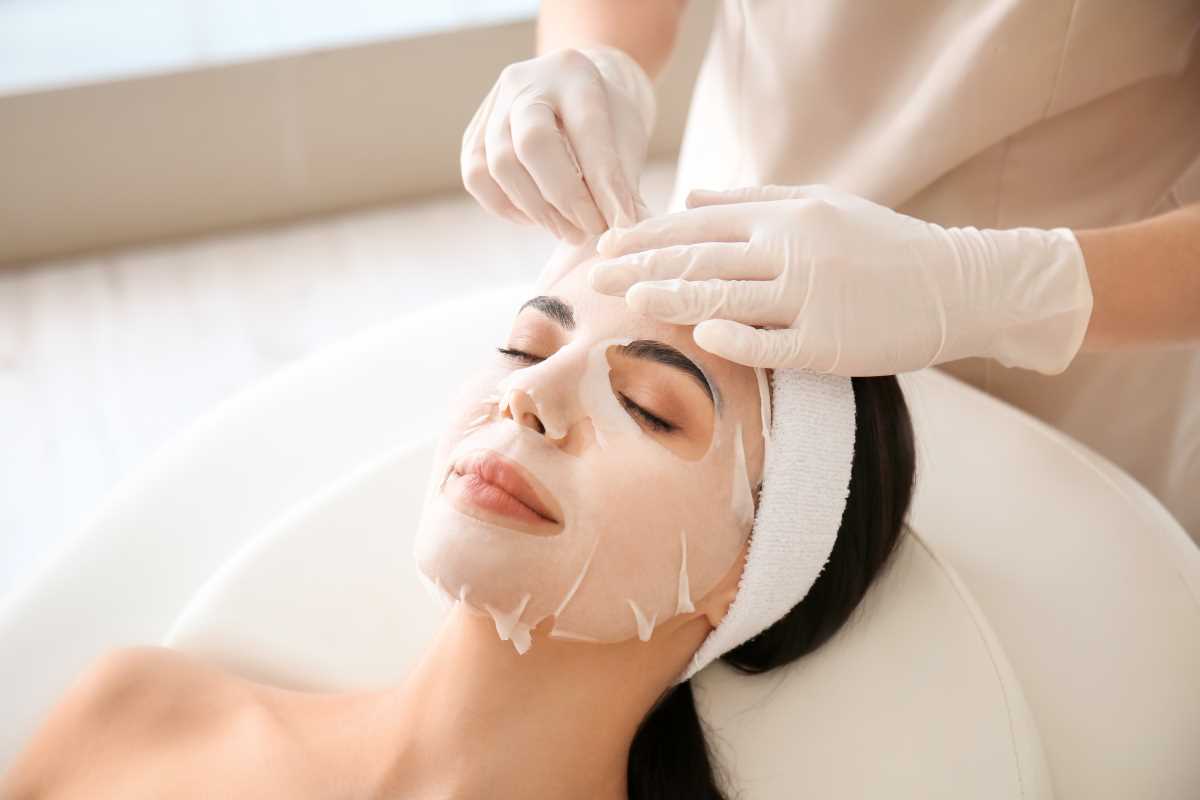
A typical facial may begin with a thorough cleansing process designed to prepare the skin for other treatments. Depending on the service, the facial may also include exfoliation, masks, moisturizing treatments, or other products selected for your skin.
This can leave your face feeling clean and refreshed.
That does not mean your regular cleanser is no longer necessary. The American Academy of Dermatology recommends gently washing your face when you wake up, before bed, and after sweating. Dermatologists also recommend using a gentle, non-abrasive cleanser rather than aggressively scrubbing the skin.
Think of a professional facial as an occasional addition to your routine rather than a replacement for daily cleansing.
2. Exfoliation Can Improve Skin Texture
Exfoliation is another common part of facials. It helps remove dead skin cells from the surface of the skin, which can make the skin look smoother and more refreshed.
Professional treatments may use different forms of exfoliation depending on the person's skin type and the goals of the facial. Some products use chemical exfoliants, while other treatments may use physical methods.
The key is moderation.
More exfoliation is not automatically better. The American Academy of Dermatology warns that harsh scrubbing can irritate the skin and potentially make certain skin problems worse.
A trained skin care professional can help determine which type of treatment is appropriate for your skin. This can be particularly helpful if you have sensitive skin or are already using products that contain exfoliating ingredients.
The result can be skin that feels smoother without the irritation that can come from trying to do too much at home.
3. Facials Can Boost Hydration
Dry or dehydrated skin can look dull, rough, or tired. Moisturizing treatments are often an important part of a facial and can temporarily leave the skin feeling softer and more hydrated.
Many professional facials include moisturizing products or masks selected for the person's skin needs. Ingredients such as hyaluronic acid, glycerin, and ceramides can help support hydration and the skin barrier. The American Academy of Dermatology notes that these types of ingredients can be useful for dry or sensitive skin.
However, maintaining hydration does not require expensive treatments every week.
Daily moisturizing is still important. The AAD recommends applying moisturizer to help keep water in the skin and says that even people with oily skin may benefit from moisturizing.
A facial can give your skin an extra boost, while your everyday moisturizer helps maintain those benefits between appointments.
4. Professional Treatments Can Be Customized
One of the biggest differences between a professional facial and a basic at-home treatment is customization.
Not everyone's skin has the same needs. One person may have dry skin, while another has oily or acne-prone skin. Someone else may be primarily concerned about uneven skin tone or signs of aging.
A professional can look at your skin and choose treatments based on its current condition. Cleveland Clinic describes facials as treatments that can be customized to a person's skin type and concerns.
This can be especially useful if you are unsure which products or treatments are right for you.
However, it is important to understand the difference between a facial and medical skin care. If you have persistent acne, a rash, unusual growths, severe irritation, or another skin problem, a dermatologist may be more appropriate than a spa facial.
Dermatologists are medical doctors who are trained to diagnose and treat skin conditions. The American Academy of Dermatology recommends seeing a board-certified dermatologist for specific skin concerns.
5. Facials Can Help You Avoid Overdoing Your Skin Care Routine
Skin care trends can make it tempting to try product after product. One day you may see a new exfoliating treatment, and the next day there may be another mask or serum promising dramatic results.
Using too many products can actually irritate your skin.
The American Academy of Dermatology recommends keeping skin care relatively simple and choosing products that match your skin's needs. It also notes that using several different products can increase the risk of irritation.
A professional facial can provide an opportunity to step back and focus on what your skin actually needs.
Instead of constantly experimenting with new products, you can discuss your skin concerns with a qualified professional and develop a more consistent routine.
Sometimes healthy skin care is less about adding something new and more about avoiding unnecessary treatments.
6. Professional Facials and At-Home Care Serve Different Purposes
There is no need to choose between professional facials and taking care of your skin at home. The two approaches can work together.
At-home care is the foundation. You should still cleanse your face, moisturize when appropriate, and protect your skin from the sun. The AAD recommends using broad-spectrum sunscreen with an SPF of 30 or higher to help protect against premature skin aging and skin cancer.
At-home facial masks can also provide certain benefits. According to the AAD, some masks can help moisturize the skin, strengthen the skin barrier, and address specific concerns. However, dermatologists emphasize that masks are not a replacement for a regular skin care routine or treatment for skin diseases.
Professional facials can provide more customized treatment and expertise.
The important thing is not to assume that an expensive facial can undo months of poor skin care. Consistency at home matters more than having an occasional treatment.
7. Facials Can Be a Form of Self-Care
Healthy skin is not the only reason people enjoy facials. They can also provide an opportunity to slow down and take some time for yourself.
Modern life can be busy. Work, family responsibilities, errands, and other commitments can make it difficult to find time to relax. A facial gives you a chance to sit back and focus on yourself for a while.
Cleveland Clinic notes that facials can help people relax in addition to addressing skin concerns.
That self-care aspect should not be dismissed. Taking time to care for yourself can be a pleasant part of maintaining a healthy lifestyle.
Still, self-care does not have to be expensive. If professional facials are outside your budget, a simple skin care routine at home can provide some of the same relaxing qualities. A warm shower, gentle cleanser, moisturizer, and an appropriate facial mask can turn an ordinary evening into a few quiet minutes for yourself.
The important thing is to make skin care something you enjoy rather than another source of pressure.
How Often Should You Get a Facial?
There is no universal schedule that works for everyone.
Cleveland Clinic notes that some people may benefit from facials every four to six weeks, but the appropriate frequency depends on the person's skin concerns and the type of treatment being used.
You do not necessarily need a professional facial every month to have healthy skin. Your skin type, budget, treatment goals, and the products you use at home should all be considered.
If a facial leaves your skin irritated, dry, or uncomfortable, it may be too frequent, or the treatment may not be appropriate for your skin.
It is also important to tell your skin care professional about products or treatments you are already using. Some combinations of exfoliating products and treatments can be irritating.
Choose Professional Treatments Carefully
Not every facial is the same, and not every skin care provider has the same level of training.
Before booking a treatment, ask what the facial includes and whether the provider has experience working with your skin type. Be cautious about treatments that make dramatic promises or claim they can solve serious skin conditions.
For cosmetic procedures that go beyond a basic facial, the American Academy of Dermatology recommends choosing a qualified, board-certified dermatologist and asking about the provider's training, expected results, risks, and recovery time.
You should also be honest about sensitive skin, allergies, medications, and other products you use.
If you experience burning, swelling, significant irritation, or another unexpected reaction, stop using the product or treatment and seek appropriate medical advice.
Make Facials Part of a Bigger Skin Care Plan
Regular facials can be a helpful addition to a healthy skin care routine. They can provide deeper cleansing, gentle exfoliation, hydration, and customized treatments while also giving you an opportunity to relax.
But a facial should not be considered a magic solution.
The foundation of healthy skin is what you do consistently at home. Gentle cleansing, appropriate moisturizing, sun protection, and choosing products that fit your skin type all matter.
Professional treatments can then provide an extra level of care when they make sense for your needs.
Whether you visit a professional every few weeks, a few times a year, or simply enjoy an occasional facial as a special treat, the most important thing is to find an approach that works for your skin and your budget.
Healthy skin does not require a complicated routine or a cabinet full of expensive products. With consistent daily care, sensible professional treatments, and a little time devoted to yourself, you can build a skin care routine that supports both healthier-looking skin and your overall sense of well-being.
Sources
1. Facials: What Are They, and What Do They Really Do? — Cleveland Clinic
https://health.clevelandclinic.org/what-is-a-facial
2. 10 Skin Care Secrets for Healthier-Looking Skin — American Academy of Dermatology
https://www.aad.org/public/everyday-care/skin-care-secrets/routine/healthier-looking-skin
3. Do Facial Masks Work, and Should I Add One to My Skin Care Routine? — American Academy of Dermatology
https://www.aad.org/public/everyday-care/skin-care-secrets/routine/facial-masks-and-skin-care
4. Skin Care on a Budget — American Academy of Dermatology
https://www.aad.org/public/everyday-care/skin-care-basics/care/skin-care-budget
5. Face Washing 101 — American Academy of Dermatology
https://www.aad.org/public/everyday-care/skin-care-basics/care/face-washing-101
6. Best Questions to Ask When Considering a Cosmetic Treatment — American Academy of Dermatology