Have you ever spent weeks painting a bedroom soft pastel blue and applying wallpaper with cute animals, only to realize two years later that your toddler is suddenly obsessed with space rockets? Or worse, when they turn nine and announce that rockets are for little kids?
Have you been there? It's exhausting, expensive, and frustrating to spend time redecorating every few years.
The trick isn't trying to predict what your kid will love five years from now. It's building a flexible space that adapts without forcing you to hit the reset button every time their tastes change. When you design with growth in mind, you save thousands of dollars, keep unwanted furniture out of landfills, and build a room your child actually feels comfortable in at every stage.
The global market for children's furniture has expanded significantly as parents look for versatile, space-saving designs.¹ So, how do you actually create a room that evolves alongside your child without losing your mind or breaking your budget?
The Foundation - Choosing Durable and Adaptable Furniture
When you shop for foundational pieces, think about long-term value. Skip the toddler-sized bed shaped like a race car or a fairytale castle. Sure, they look great in photos, but your child will outgrow them physically and mentally in a flash.
Instead, prioritize a high-quality twin or full-size bed frame right from the start. You can use removable safety rails while your child is small, and you won't need to shop for another frame until they head off to college.
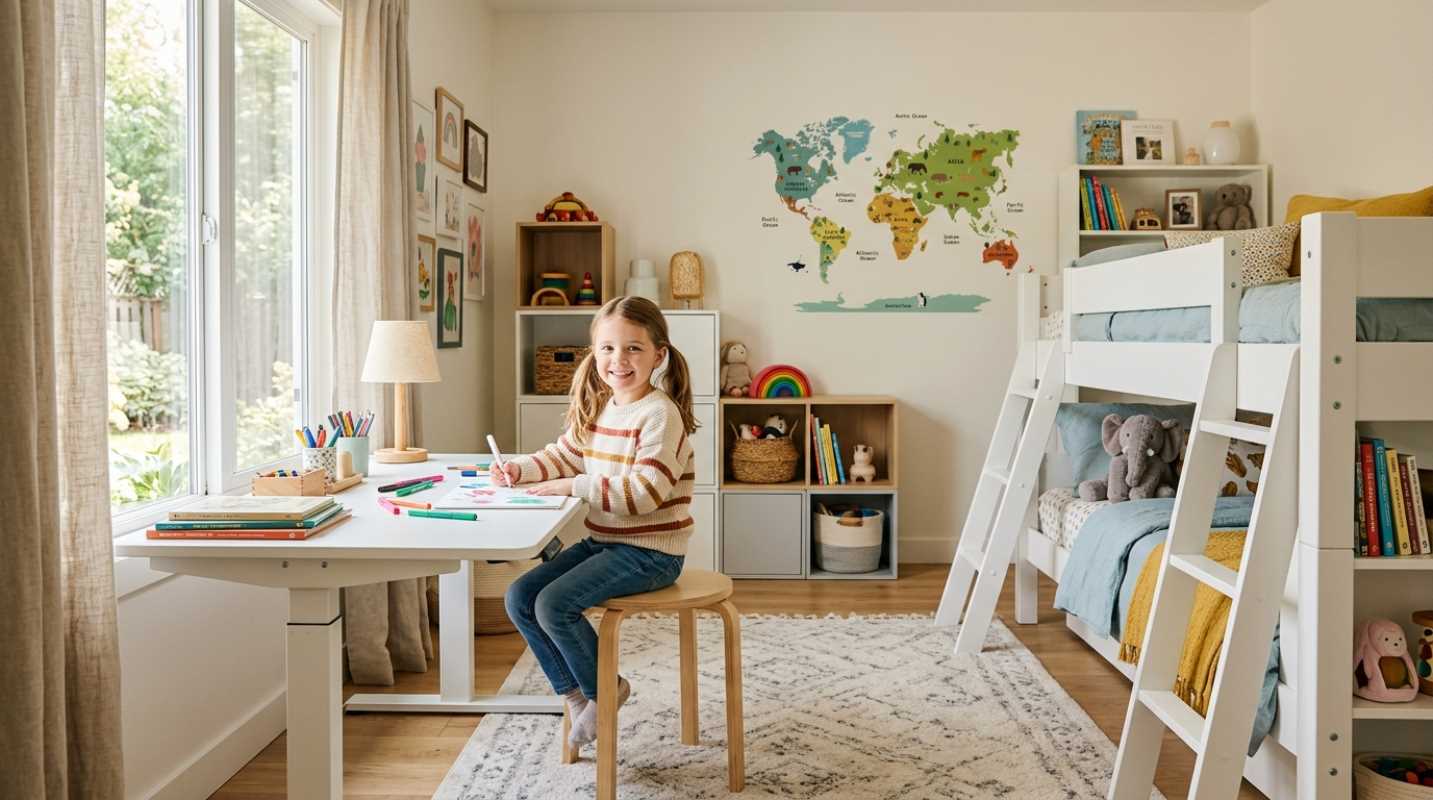
Modular pieces are a game-changer here. Look for bunk beds that unstack into two identical single beds, or loft beds with open space underneath. When your kid is five, that lower space works as a cozy play fort. When they're eleven, it becomes a study nook. By age fifteen, it transforms into a lounge spot with a small sofa.
Material choices matter just as much. Kids are naturally tough on their belongings, and high-energy play leads to occasional spills. Solid woods like oak, hard maple, and Baltic birch hold up against daily wear, and you can easily sand out scratches or refinish them later. Always look for zero-VOC or water-based finishes to keep air quality high, especially for younger kids who might bite down on crib rails or bed frames.²
Mastering Storage Solutions for Kids' Rooms
If there's one thing that changes faster than a child's shoe size, it's the sheer volume and type of stuff they own. Toddlers need open bins for chunky plastic toys and picture books. Middle schoolers need room for sports gear, create supplies, and board games. Teens need space for backpacks, tech equipment, and an ever-expanding wardrobe.
Professional organizers often point out that good storage should build child independence. If a system is too complicated, stuff ends up on the floor.
Here are a few storage setups that scale seamlessly over time
• Open-Ended Cubbies: Low cubby units with soft fabric bins let young children grab and put away toys on their own. Later on, remove the bins to hold textbooks, footwear, or display collections.
• Vertical Closet Systems: Use adjustable tracks on closet walls. You can place hanging rods low for toddler shirts, then move them higher as your child's clothes grow longer, opening up floor space underneath.
• Hidden Storage Hacks: Storage ottomans, under-bed drawers, and trunk benches hide clutter while keeping items easy to reach.
Organizing items by visual cues, like rainbow color-coding for books and art supplies, turns pickup time into a simple game for young kids. Storing clothes vertically in drawers also lets kids see everything at once, so they aren't tearing through neat piles to find a favorite shirt.
Color Palettes and Decor - Neutral Bases and Playful Accents
Painting a bedroom neon green or applying permanent themed wallpaper might feel exciting during a weekend project, but you'll probably regret it down the road.
Keep high-ticket items neutral. Warm whites, soft greys, and light natural wood tones act as an open canvas. They bounce light around the room, make small spaces feel open, and never go out of style.
You can introduce personality through low-cost, easily swappable decor
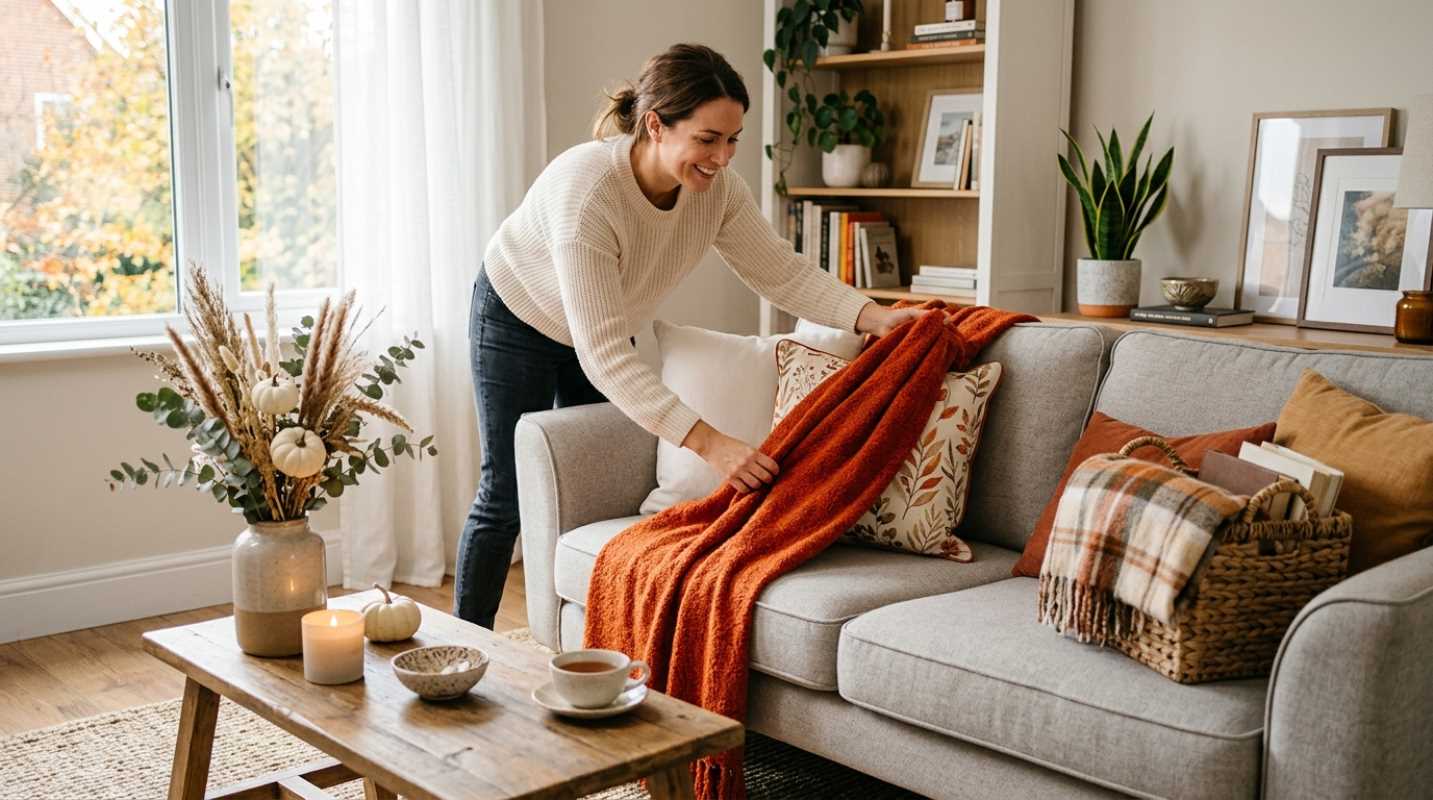
• Bedding, throw blankets, and accent pillows
• Peel-and-stick wallpaper on a single feature wall
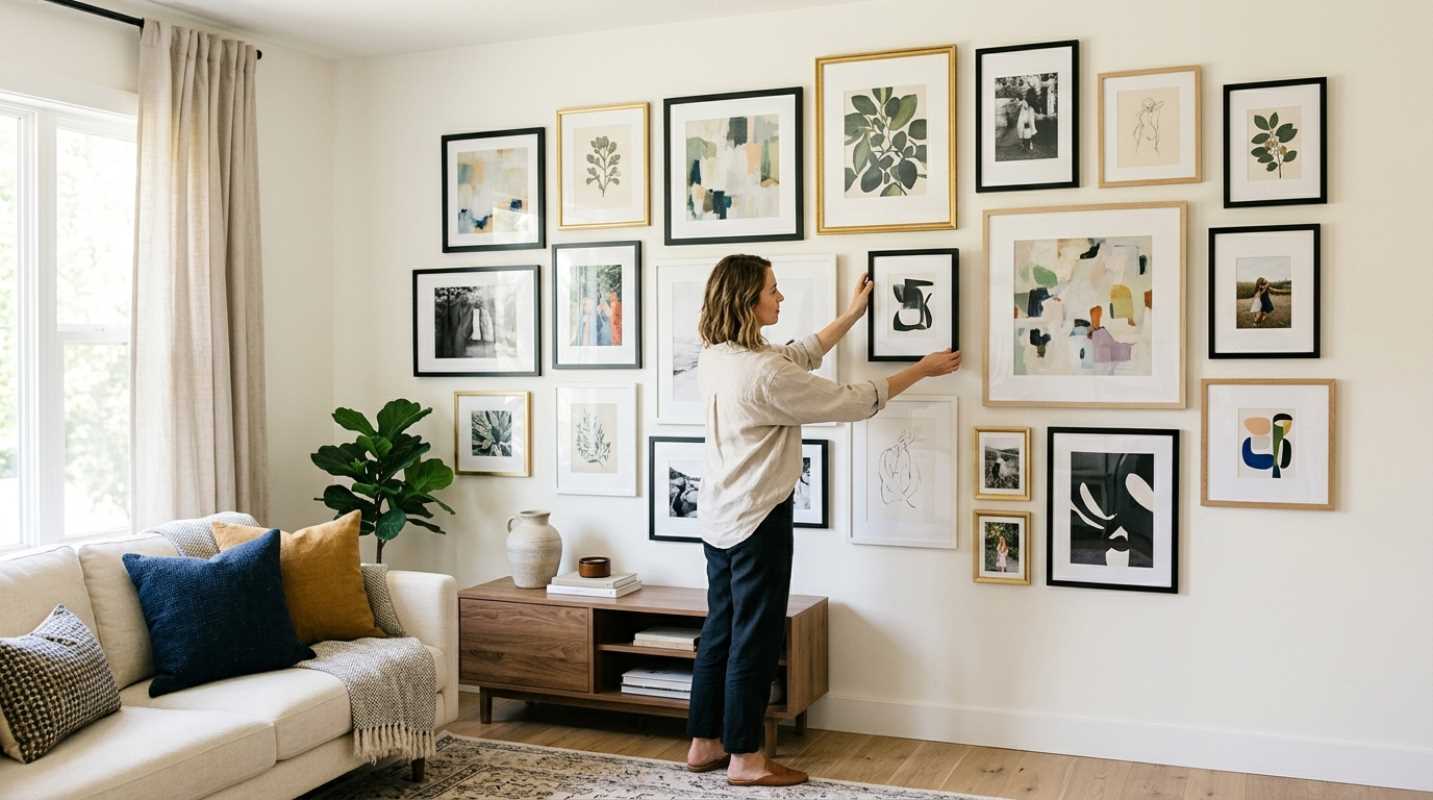
• Framed prints, removable wall decals, and posters
• Area rugs and curtains
• Playful drawer knobs that you can swap out with a screwdriver in five minutes
Involve your child in picking these accent pieces. When you let them choose their duvet cover or wall prints, they get a strong sense of ownership over their space without locking you into a full room makeover when their interests shift.³
Creating Zones for Different Developmental Stages
Instead of scattering furniture wherever it fits, divide the room into functional zones. This keeps the space organized and helps it transition smoothly as your kid grows up.
Focus on four key areas
1. Sleep Zone: Place the bed away from main foot traffic and drafty doors. Use soft, warm lamps around the bed to encourage winding down at night.
2. Study and Create Zone: Start with a low create table for toddlers. Swap it later for a height-adjustable desk with good task lighting and built-in cord management for schoolwork.
3. Play and Hobby Zone: Keep the center of the room open with a durable, washable rug. This gives toddlers room to build block towers, middle schoolers space for board games, and teens room for a gaming chair or fitness mat.
4. Storage Zone: Combine closet storage and modular wall shelving that you can adjust as storage demands change.
Adjusting the lighting between these zones makes a big difference, too. Bright task lighting keeps kids focused during homework sessions, while dimmable bedside lights send a clear signal to their brains that bedtime is coming.
Designing for the Future One Step at a Time
Creating a kid-friendly bedroom that evolves doesn't require you to figure out every detail today. It's about building a solid, versatile foundation that handles change gracefully.
Focus on buying safe, durable furniture, keep your core colors simple, and let your child's personality shine through easy-to-change accents. By taking a flexible approach, you'll save money, avoid constant redecorating projects, and give your child a personal retreat that feels comfortable at every stage of growing up.
Sources:
1. GM Insights
https://www.gminsights.com/industry-analysis/kids-furniture-market
2. LA Times
https://www.latimes.com/spaces/room/kids/story/food-safe-furniture-for-kids-rooms
3. Design Times
https://www.designtimes.com/articles/60130/20260702/design-bedroom-that-lasts-kids-bedroom-ideas-home-improvement-tips-that-grow-them.htm