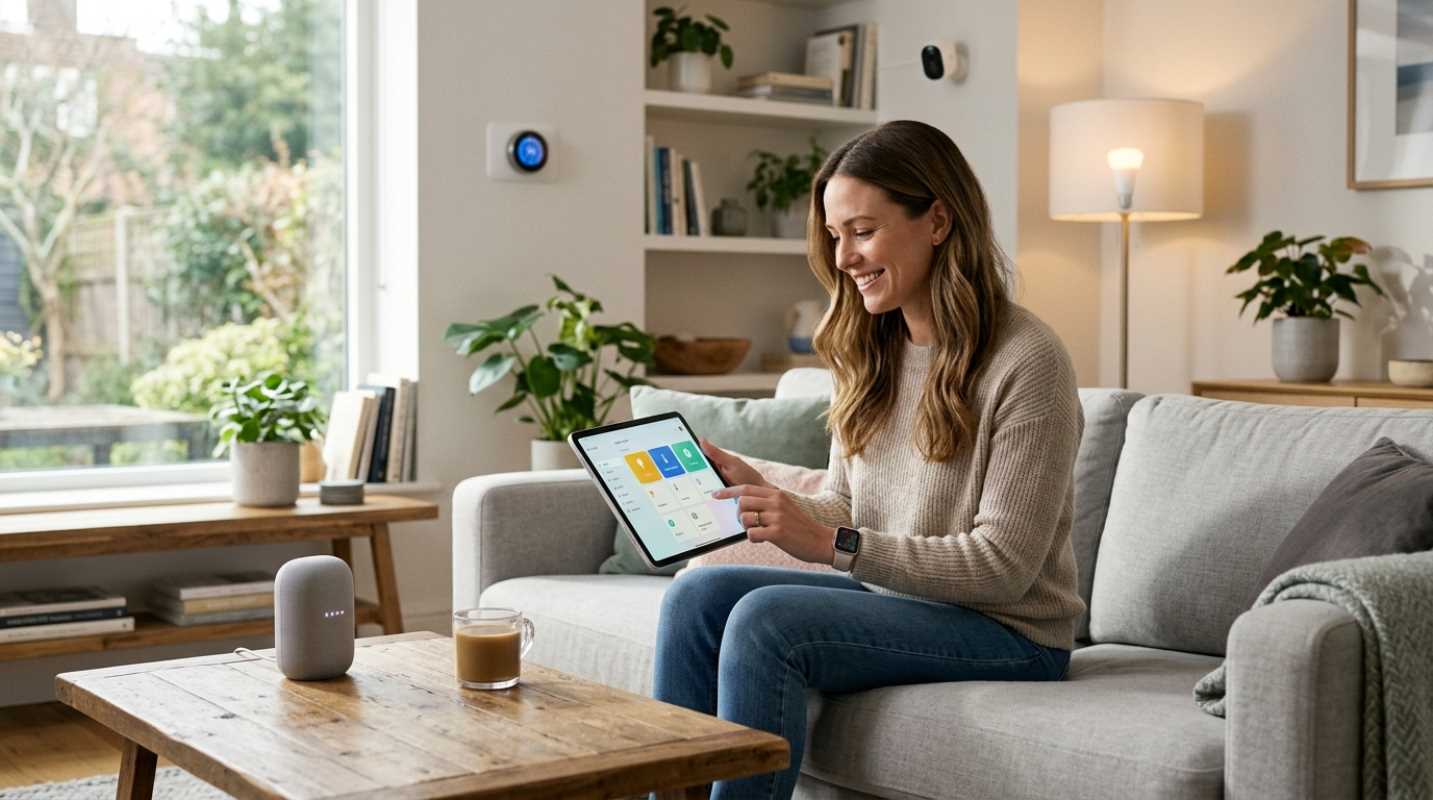
Remember when setting up a smart home meant buying a quirky lightbulb that required three different phone apps just to dim the lights? Those days are thankfully over. What used to feel like a high-tech novelty has quietly shifted into a set of practical tools for everyday living.
Building a modern smart home isn't about showing off fancy tech to your neighbors. It's about taking hours back from your weekly routine. When your home handles repetitive chores automatically, you gain extra time for work, sleep, or family. The trick is choosing hardware that simplifies your life instead of giving you another screen to manage.
To build a setup that actually helps you, you need to lay down a solid platform first.
Comparing the Major Smart Home Ecosystems
Before you buy a single device, you have to pick a core platform. Over 50% of American households now rely on connected gear to run their daily routines.¹ Choosing the right brain for your system prevents annoying app clutter and keeps your devices talking to each other smoothly.
For years, picking a smart home brand meant getting locked into one walled garden. Fortunately, the release of the Matter standard changed the game. Matter allows devices from different brands to work together natively across platforms. Even with Matter, your main assistant platform will shape your daily experience.
• Google Home: Google leads user adoption with roughly 85.4 million active users.³ Powered by Gemini AI, it handles conversational requests better than anyone else. If your life runs on Google Calendar and Gmail, this system feels like a natural extension of your day.
• Amazon Alexa: Alexa remains a top pick for hardware variety and raw automation power. If you want deep custom routines based on time, motion, or temperature, Alexa gives you maximum flexibility.
• Apple HomeKit: Apple prioritizes privacy and lightning-fast local speed. Because commands are processed directly on your local network hub rather than routed through distant cloud servers, actions happen almost instantly. It's ideal for users already steeped in the iOS ecosystem.
The average connected home now holds anywhere from six to fifteen smart devices.² Sticking to one main ecosystem keeps everything organized under a single interface, so you don't waste time troubleshooting.
Automation That Actually Works
Voice control is handy, but typing or talking to an assistant is still a manual effort. True convenience happens when your home anticipates your needs through context-aware triggers like motion sensors and geofencing.
Geofencing uses your phone's GPS location to trigger automatic events when you leave or arrive. Imagine pulling out of your driveway at 8:00 AM. Without you touching a button, your smart thermostat switches to eco mode, your doors lock, and your security cameras arm themselves. When you return home, the entry light turns on, and the indoor temperature adjusts to your preferred setting.
Here are three daily automations that streamline your schedule
1. Morning Ramp-Up: At 7:00 AM, your smart shades tilt open to let in natural light, your smart plug brews the coffee, and your smart display reads off the top calendar events.
2. Focus Block: When it's time to work, your office lights switch to a crisp, cold white tone to boost alertness, while background speakers enter do-not-disturb mode.
3. Evening Wind-Down: At 9:00 PM, smart lighting shifts to warm dim tones to help your body prepare for sleep while the front door locks automatically.
Smart lighting and climate control do more than save energy. They actively reshape your daily rhythm without requiring extra thought.
Efficiency Needs for Your Home
When building your setup, start with gear that delivers an immediate return on your investment of time and energy. You don't need twenty different gadgets right away. You just need a few high-impact devices.
• Robot Vacuums with Self-Emptying Docks: Modern vacuum and mop combos clean up pet hair and dust on a pre-set schedule. Models with self-emptying docks can run for weeks without requiring manual intervention, saving hours of weekly cleaning.
• Smart Thermostats: Devices like the Ecobee SmartThermostat or Google Nest Thermostat learn your habits and adjust climate settings automatically. Most households save between 10% and 15% on heating and cooling costs while keeping room temperatures consistent.
• Keyless Smart Locks: Smart locks eliminate the frantic search for lost keys. Features like Apple Home Key allow you to unlock your front door simply by tapping your phone or watch against the lock.
• Energy-Monitoring Plugs: These affordable plugs allow you to control old-fashioned lamps or appliances, track power usage, and shut down standby power drains across your house.
These specific tools offer the biggest productivity boost because they remove physical household chores entirely.
Security and Peace of Mind
Home security used to mean complicated contracts and false alarm calls at midnight. Modern smart security devices replace that hassle with real-time visibility and clear control.
Smart video doorbells and AI security cameras distinguish between people, vehicles, animals, and package deliveries. Instead of sending annoying motion alerts every time a car drives past your driveway, AI filtering delivers notifications only when something actually demands your attention.
Beyond catching porch pirates, remote monitoring offers genuine peace of mind. Did you forget to lock the back door or close the garage before leaving? A glance at your phone lets you check and fix the issue from anywhere in the world. That quiet confidence is easily one of the best perks of a connected home.
Building a Smarter Future One Device at a Time
Creating a convenient home is an ongoing process, not a crazy weekend overhaul. You don't need to buy every single device on the store shelf at once. In fact, cluttering your home with unneeded gadgets often creates more confusion than convenience.
Start small. Pick one pain point that bugs you every day, whether that's waking up to a freezing house, sweeping up pet hair, or hunting for keys. Find a reliable device that solves that specific problem, plug it into your chosen ecosystem, and set up your first simple automation.
Once you experience the daily time savings, expanding your system becomes easy. A thoughtful, well-integrated smart home works quietly in the background, making your everyday life smoother and freer every single day.
Sources:
1. sourceready.com
https://www.sourceready.com/report/detail/us-smart-home-devices-market-report-2025
2. claritas.com
https://claritas.com/trends-in-smart-home-tech/
3. revimote.com
https://www.revimote.com/compare/apple-homekit-vs-amazon-alexa-vs-google-home