 (Image via
Have you ever swiped on a lipstick that looked stunning in the tube, only to catch your reflection and wonder why you suddenly look exhausted? You are not alone. Most of us have a drawer full of tubes purchased on impulse, only to find they wash us out, clash with our skin, or feel completely wrong the moment we step outside.
The right lip color does something immediate to your mood and your posture. It pulls your entire face together in five seconds, even on days when you are wearing zero other makeup. The secret is that finding your best shade is not about hunting down a single holy grail color. You do not need to restrict yourself to just one signature tube for the rest of your life.
Instead, building a collection that works comes down to understanding a few basic rules about color temperature and texture. Once you know how your skin interacts with pigment, shopping for makeup stops feeling like a guessing game.
Decoding Your Skin Undertone
The biggest mistake people make when choosing a lip shade is confusing surface tone with undertone. Your surface tone is what you see at first glance, such as fair, light, medium, tan, or deep. This overtone changes when you get a summer tan or spend months indoors.¹ Your undertone, but it is the constant temperature beneath the surface of your skin. It never changes.
Undertones fall into four main categories: cool, warm, neutral, and olive. Finding yours takes just a couple of quick checks in natural daylight.
• The Vein Test: Flip your wrist over near a sunny window. If your veins look distinctly blue or purple, you have a cool undertone. If they lean green or olive, you are warm. If you see a mix of blue and green, or cannot really tell, you are neutral.²
• The Jewelry Test: Put on a piece of bright silver jewelry, then swap it for yellow gold. Silver makes cool skin look clear and bright, while gold gives warm skin an immediate healthy glow. If both look equally flattering, you are neutral.
• The White Sheet Test: Hold a sheet of pure, bright white printer paper next to your clean, makeup-free face. Cool skin looks slightly pink, rosy, or blue against the white. Warm skin looks yellow or peachy. Olive skin often shows a muted greenish or grayish cast.
Once you know your undertone, matching becomes straightforward
• Cool undertones: Look for lip colors with a distinct blue or purple base. Crisp blue-reds, deep berries, cherries, cool plums, and rosy pinks make your complexion glow. Steer clear of warm oranges and yellowish peach shades, which can make cool skin look dull.
• Warm undertones: Reach for golden, orange, or red-brown bases. Fire-engine reds with an orange kick, spicy terracottas, warm corals, and cinnamon nudes harmonize with your natural warmth. Avoid icy, frosty pinks and cool lilacs.
• Neutral undertones: You can wear almost anything. Balanced scarlet reds, dusty rose, caramel nudes, and soft mauves look effortlessly natural on you.
• Olive undertones: Olive skin has a subtle green cast that easily clashes with chalky pastel pinks or neon oranges. You look best in muted terracottas, rich blackberries, warm rose-browns, and spiced wines.³
Navigating Texture and Finish Options
Color is only half the battle. The finish you choose determines how the color sits on your lips, how long it lasts, and how comfortable it feels throughout the day.
• Matte and liquid matte: These formulas offer zero shine and maximum pigment. They stay in place for six to ten hours, making them ideal for long events where you do not want to worry about touch-ups. Because they can highlight dry patches, always gently exfoliate your lips and apply a light balm a few minutes before putting them on.
• Satin and cream: A classic cream lipstick gives you medium-to-full coverage with a subtle, healthy sheen. It glides across the lips easily and feels hydrating. It lasts four to six hours and works beautifully on dry or mature lips that need extra moisture.
• High-shine gloss and vinyl: Gloss reflects light like a mirror, which creates the visual trick of making thin or flat lips appear fuller and plumper. Although you will need to reapply every couple of hours, gloss is forgiving and simple to swipe on without a mirror.
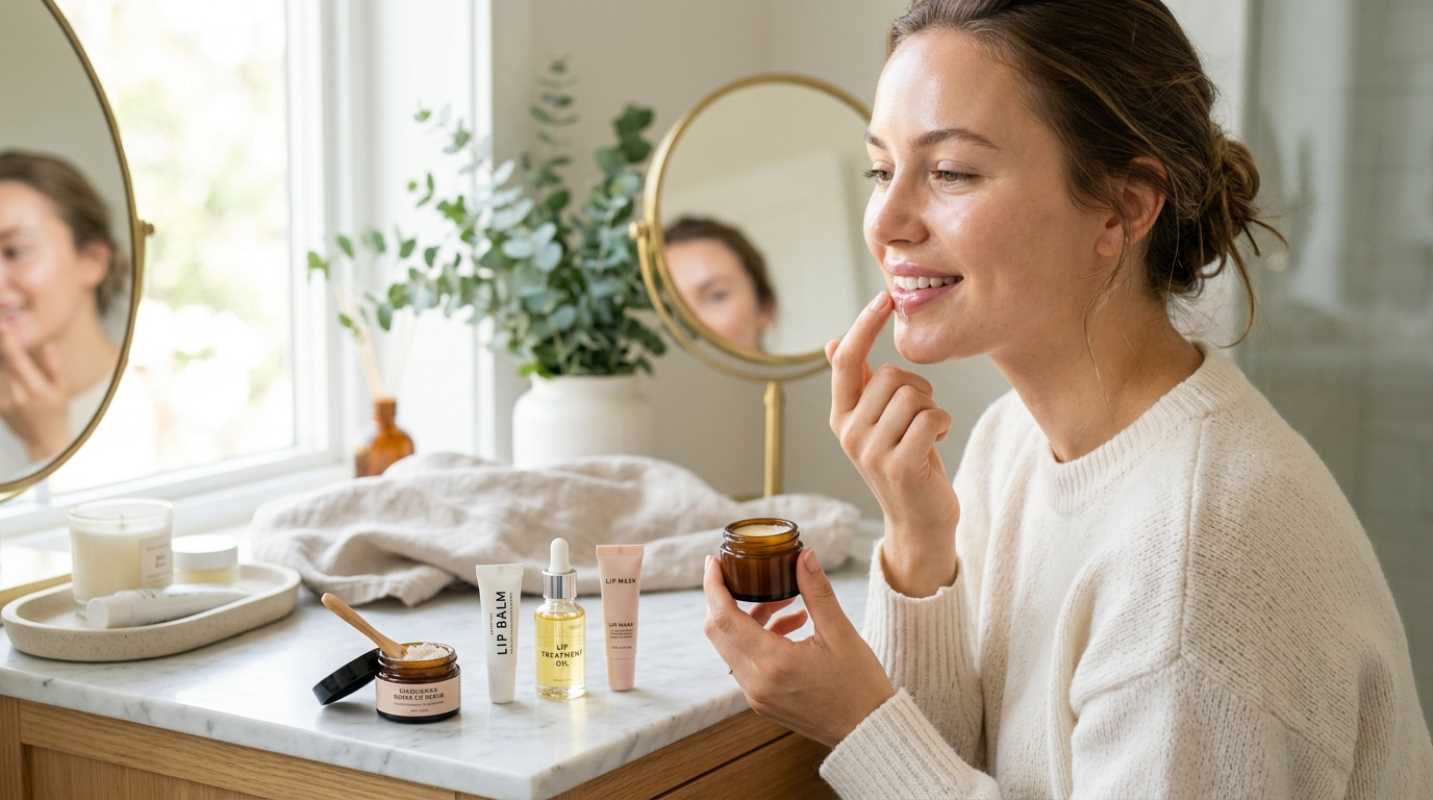
• Lip oil and tinted balm: Packed with ingredients like squalane and nourishing plant oils, these hybrid formulas deliver a sheer wash of color. They are ideal for minimal makeup days and dry lips that need ongoing repair.
The Art of the Seasonal Swap and Occasion
Your perfect lipstick wardrobe should shift with your schedule, the lighting, and the seasons. What feels right for a sunny morning coffee run might not match the energy of a candlelit dinner.
For daytime wear, a reliable nude is your best friend. A great trick used by professional makeup artists is the inner-lip check. Gently pull down your lower lip and look at the color of the inner mucosa along your gum line. A lipstick that matches that specific shade will always look natural on your face without washing you out.
When heading out for the evening, swapping your soft nude for a rich red or a deep berry instantly elevates your look. If you are concerned about your smile, choose a lipstick with a cool, blue base. Blue tones visually cancel out yellow tints in tooth enamel, making your teeth appear whiter under artificial lighting.
Seasonal changes matter too. In the brighter spring and summer months, you might prefer breezy lip oils, peachy tints, or glossy water stains. When temperatures drop in the fall and winter, switching to richer textures and deeper shades like spiced mahogany or velvet plum feels right for the season.
Confidence-Building Guidance to Make It Yours
Rules and color charts give you a great starting point, but they are not laws set in stone. If you love a bright orange-red but have cool undertones, you can still wear it.
The secret lies in how you apply it. Instead of swiping an intense pigment straight from the tube with sharp edges, try pressing the color onto the center of your lips with your ring finger. Tap and blend it outward to create a soft, blurred tint. This diffuses the contrast and makes bold pigments look wearable on any complexion.
If a lipstick feels slightly too pale, trace your lips with a liner that matches your natural lip tone first, then blend the lipstick into the center. This adds dimension and keeps lighter shades from looking flat.
At the end of the day, makeup should feel fun, not restrictive. The best lipstick color in the world is simply the one that makes you smile when you catch your reflection in a store window.
Sources:
1. The Art of Lipstick: How Skin Tone Influences Your Favorite Shades
https://www.triprinceton.org/post/the-art-of-lipstick-how-skin-tone-influences-your-favorite-shades
2. How to Identify Your Skin's Undertones
https://www.healthline.com/health/beauty-skin-care/skin-undertones
3. How to Identify Your Skin Undertones
https://www.revlon.com/blogs/makeup/how-to-identify-your-skin-undertones