Standing in the skincare aisle can feel a lot of. You look at dozens of bottles plastered with confusing numbers, letters, and claims. Broad spectrum, PA++++, mineral, chemical, SPF 30, SPF 100. Have you ever stood there, completely stumped, wondering if any of it actually matters?
Most of us grew up with simple sun habits. You rubbed a thick, white lotion onto your shoulders at the beach, got sunburned anyway, and ignored sunscreen for the rest of the year. But skincare science has come a long way. Protecting your skin shouldn't feel like decoding a chemistry textbook. When you strip away the marketing noise, sunscreen is simple, powerful, and needed for long-term health.
What You Have Been Getting Wrong
Common misconceptions keep people from protecting their skin properly every day. Let's look at three big myths that refuse to go away.
• Dark skin tones don't need sun protection: Natural melanin offers some natural protection, roughly equivalent to SPF 1.5 to 4, depending on your skin tone. But that isn't enough to prevent UV damage, hyperpigmentation, or skin cancer. In fact, skin cancer in patients of color is frequently diagnosed at later, more dangerous stages, leading to lower survival rates. Everyone needs daily SPF.
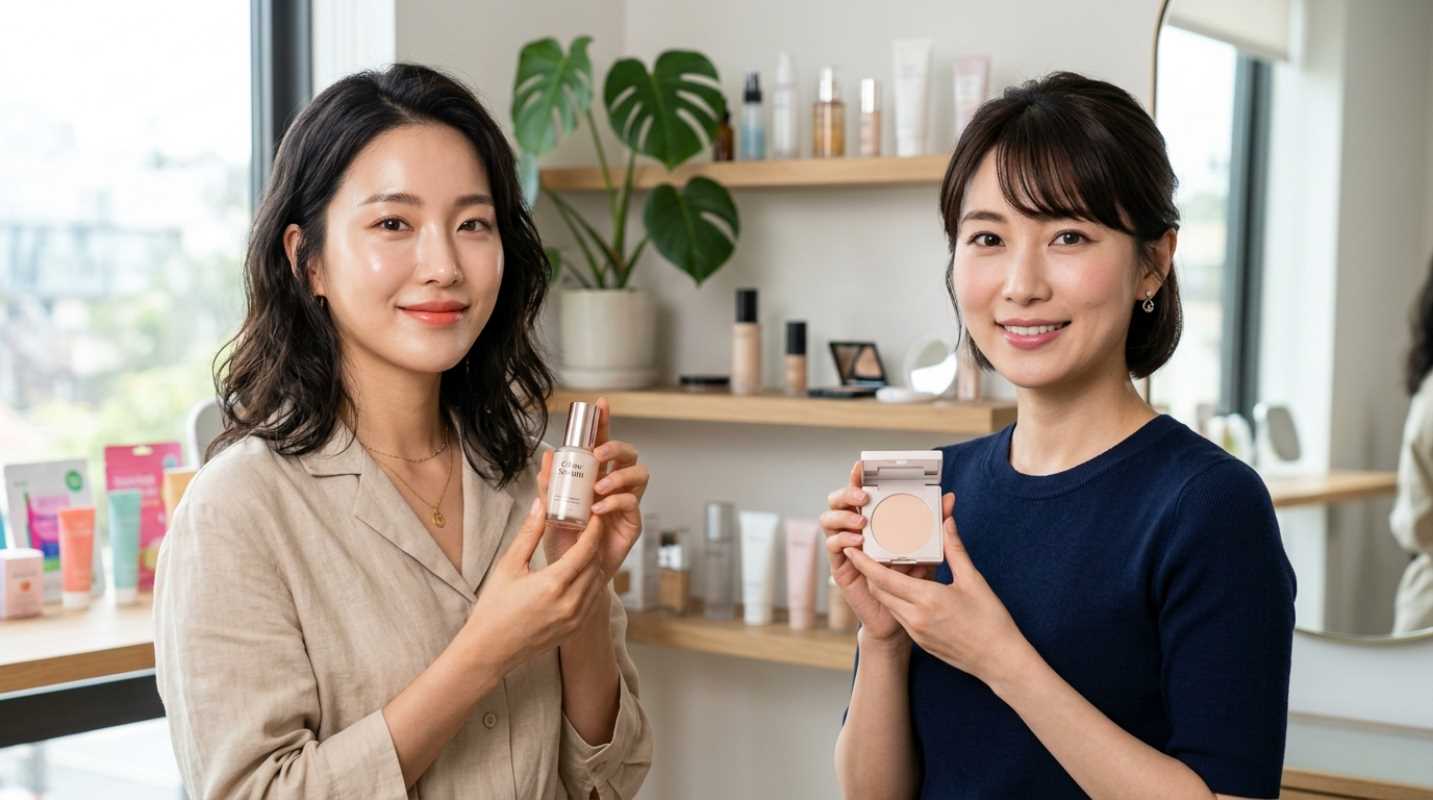
• Makeup with SPF provides full coverage: To get the protection stated on your foundation bottle, you would have to apply 7 to 14 times the amount of makeup you normally wear. Picture coating your face in a thick, cakey mask of liquid foundation just to get basic protection. You need a dedicated sunscreen layer underneath your makeup.
• Cloudy days and indoor spaces are safe: Up to 80% of the sun's UV rays pass straight through clouds.³ Standard window glass in your house, office, or car blocks burning UVB rays, but it lets aging UVA rays pass right through. UVA rays drive premature aging and contribute to long-term skin damage, even when you sit indoors near a window.
Choosing the Right Protection for Daily Wear
How do you pick a formula that actually feels good on your skin? It starts with understanding the two main types of sunscreen filters.
Mineral sunscreens rely on ingredients like zinc oxide and titanium dioxide. They sit on top of your skin to reflect and absorb UV light. They're gentle, making them ideal for sensitive skin, rosacea, or melasma. Chemical sunscreens use active ingredients that absorb UV rays and convert them into heat. Newer ingredients like bemotrizinol offer outstanding protection while blending invisibly into deep skin tones without leaving a chalky white cast.
So what about SPF ratings? Here is how the numbers actually work
• SPF 15: Blocks roughly 93% of UVB rays.
• SPF 30: Blocks roughly 97% of UVB rays.
• SPF 50: Blocks roughly 98% of UVB rays.
• SPF 100: Blocks roughly 99% of UVB rays.
Notice how the leap from SPF 30 to SPF 50 only adds about 1% more protection? Dermatologists generally consider SPF 30 to SPF 50 the sweet spot for daily wear. High numbers like SPF 100 give a false sense of security, making people think they can stay all day outdoors without reapplying.
Choose a texture that fits your routine. If you hate heavy creams, pick a light gel-fluid. If your skin is dry, look for a hydrating lotion packed with ceramides or hyaluronic acid. The best sunscreen is simply the one you enjoy wearing every single day.
Reapplication and Coverage Tips
Buying a great formula is only half the battle. You also have to apply enough of it.
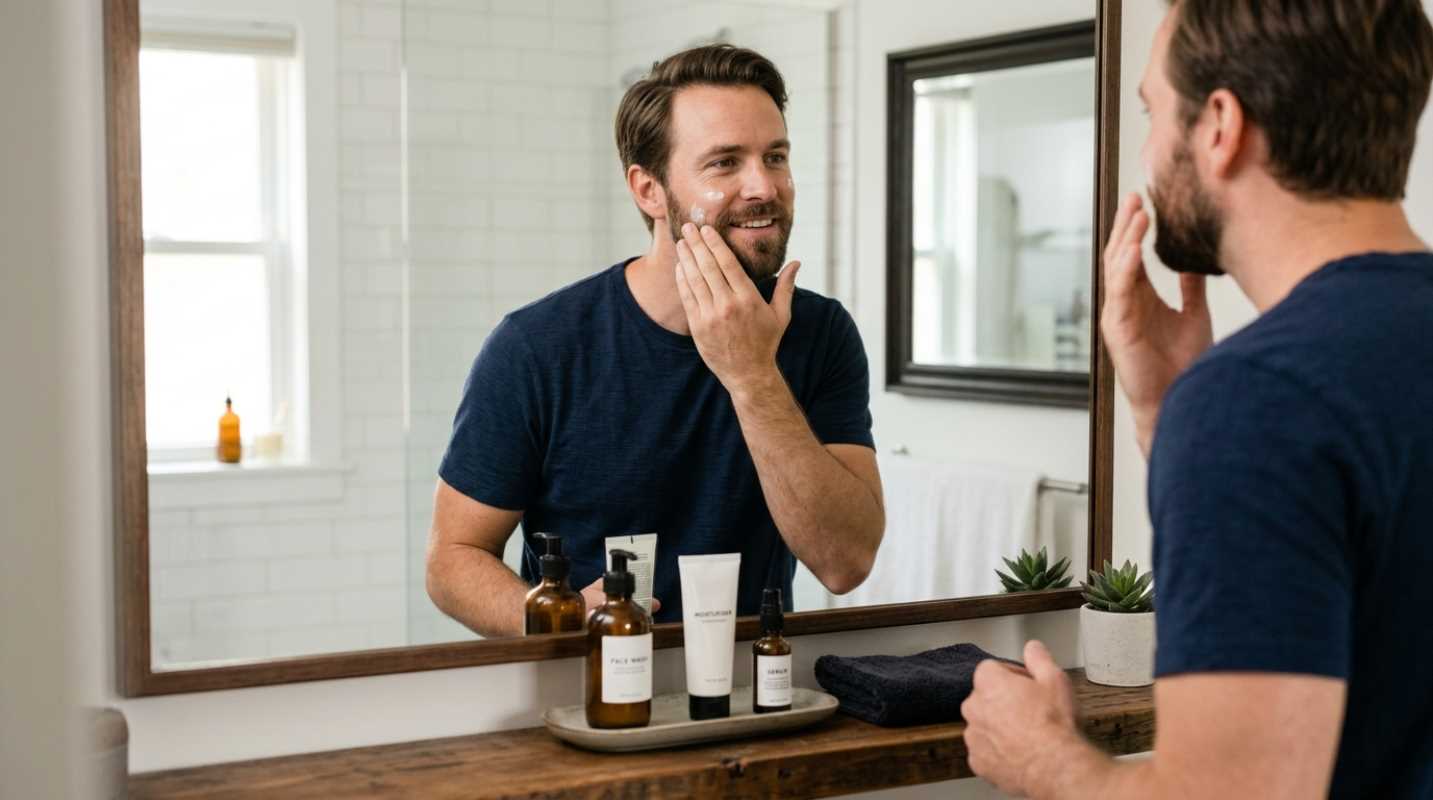
For your face and neck, use the two-finger rule. Squeeze two full lines of sunscreen along your index and middle fingers. That equals roughly half a teaspoon, which gives you the full advertised protection. For your entire body, you need about one full shot glass (1 ounce).
To keep your routine smooth, try these practical steps
1. Apply sunscreen 15 minutes before heading outdoors or putting on makeup.
2. Give the formula a minute or two to set into your skin to prevent makeup from pilling.
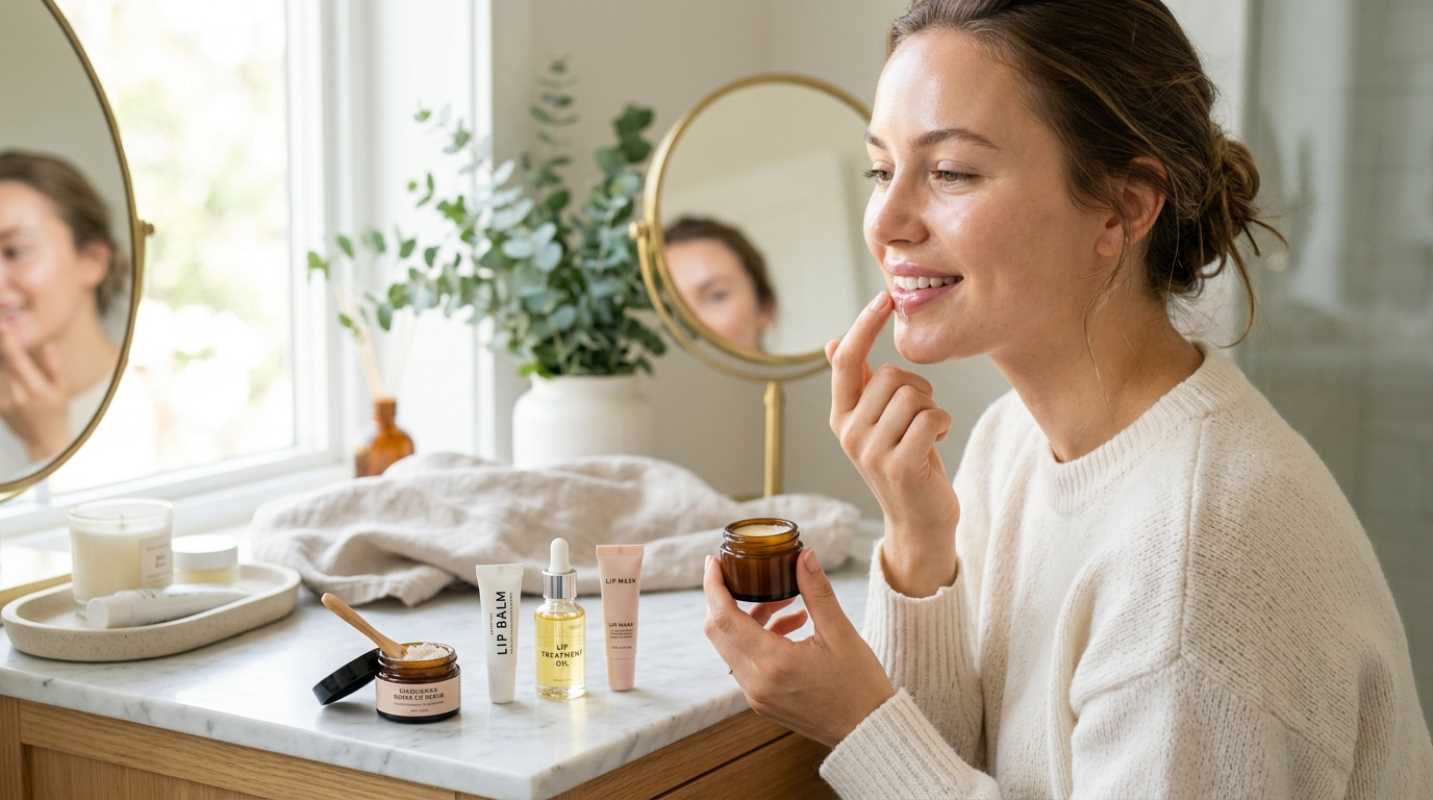
3. Cover easy-to-miss spots like the tops of your ears, your hairline, the back of your neck, and the tops of your hands. Don't forget an SPF 30 lip balm.
Reapplication is where most people struggle. Reapplying every two hours is needed because UV exposure and facial oils break down sunscreen filters over time.
Think of sunscreen like an oven mitt.³ Wearing an oven mitt protects your hand when you grab a hot pan, but if you hold that hot pan long enough, heat eventually leaks through. Reapplying sunscreen after two hours puts on a fresh mitt. If you wear makeup during the day, touch up using a mineral SPF setting powder or a sun protection setting spray.
Building a Complete Sun Protection Routine
Sunscreen is your main line of defense, but it works best alongside other smart habits.
When buying sunscreen, always check for the words "broad-spectrum" on the bottle.² This label guarantees the formula protects against both UVA (aging) rays and UVB (burning) rays. You might also notice PA ratings like PA++++ on Asian sunscreen labels, which measure specific protection against UVA rays.
Combine your liquid sunscreen with physical protection
• Wear lightweight UPF 50+ clothing for outdoor workouts or long drives.
• Grab a wide-brimmed hat with at least a 3-inch brim to shade your face and neck.
• Slip on UV400 sunglasses to protect your eyes and delicate eyelid skin.
• Seek shade when UV rays peak between 10:00 AM and 2:00 PM.
The statistics speak for themselves. About 1 in 5 Americans will develop skin cancer in their lifetime.¹ Yet applying SPF 15 or higher every day slashes your risk of developing melanoma by 50%.¹ Taking care of your skin isn't vanity, it's preventative health care.
Your Skin Future Starts Today
Building a great sun protection habit isn't about perfection. If you forget to reapply once during a busy workday, don't throw in the towel. Focus on consistency over time.
Take five minutes today to audit your current skincare stash. Check the expiration dates on your old sunscreen bottles. Toss out anything that smells off or has separated into a watery mess. Find a modern broad-spectrum formula that feels weightless on your skin and place it right next to your toothbrush.
Making SPF a non-negotiable step in your morning routine is one of the easiest gifts you can give your future self. Start today, and let your skin thrive for years to come.
Sources:
1. American Academy of Dermatology Skin Cancer Statistics
https://www.aad.org/media/stats-sunscreen
2. U.S. Food and Drug Administration Sunscreen Guide
https://www.fda.gov/drugs/understanding-over-counter-medicines/sunscreen-how-help-protect-your-skin-sun
3. Mass General Brigham Sunscreen Myths and Facts
https://www.massgeneralbrigham.org/en/about/newsroom/articles/sunscreen-myths-facts
*This article on decorgeous is for informational and educational purposes only. Readers are encouraged to consult qualified professionals and verify details with official sources before making decisions. This content does not constitute professional advice.*